Keyword: cyanobacteria
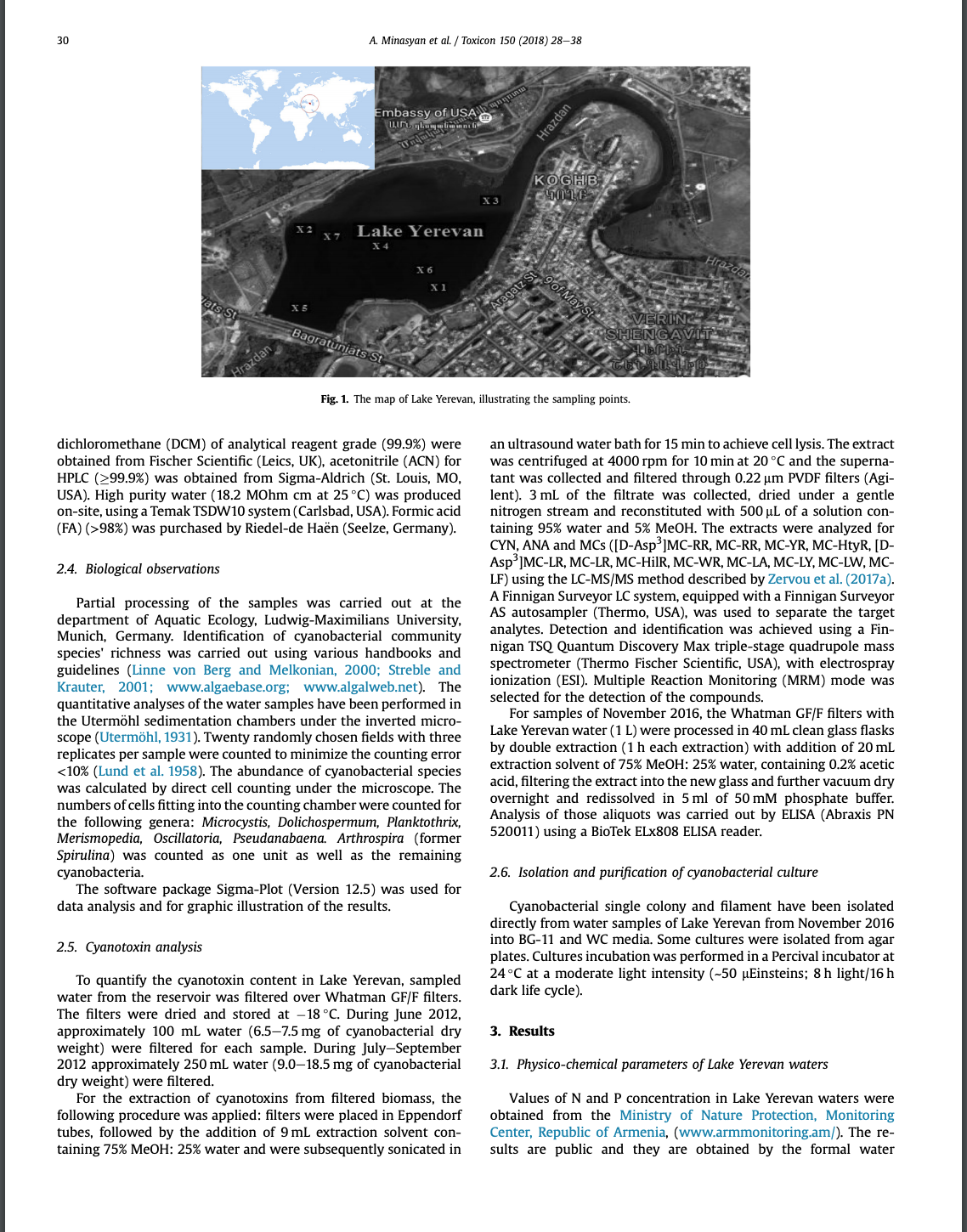
Minasyan, A., C. Christophoridis, A. E. Wilson, S.-K. Zervou, T. Kaloudis, and A. Hiskia. 2018. Diversity of cyanobacteria and the presence of cyanotoxins in the epilimnion of Lake Yerevan (Armenia). Toxicon 150:28-38.
Abstract
This paper presents the first report of cyanobacteria and cyanotoxins from the South Caucasus region, in particular from Lake Yerevan (Armenia). Microcystis, Dolichospermum and Planktothrix were the key genera identified during the growing season. A trend of a remarkable increase in cyanobacterial densities was observed from 2012 to 2013 exhibiting bloom formation in June (by Nostoc linckia) with the highest values in June and August 2013, reaching up to 695.9*103 cells mL−1. Seasonal dependence of cyanobacterial density on temperature, and temperature as a driver for cyanobacterial cells growth and development were suggested. Biogenic nutrients were identified as co-drivers determining species richness and dominance, as well as the distribution of phytoplankton in different parts of the reservoir. Cyanotoxin concentrations in the filtered biomass were reported during July 2012 for both stations of the reservoir (left and right bank). Microcystin-RR (MC-RR) was the most abundant and the most frequently observed cyanotoxin. Lower MC-LR concentrations were identified in all samples from both stations, with the highest values observed at the right bank in July 2012. [D-Asp3]MC-RR, MC-YR, MC-HtyR, [D-Asp3]MC-LR, MC-HilR, MC-WR, MC-LY and MC-LW were also identified in trace levels. Anatoxin-a (ANA) was reported in the samples from both stations during August 2012. Cylindrospermopsin (CYN) was present in trace concentrations in samples from both stations during July and in the sample from the left bank during September.
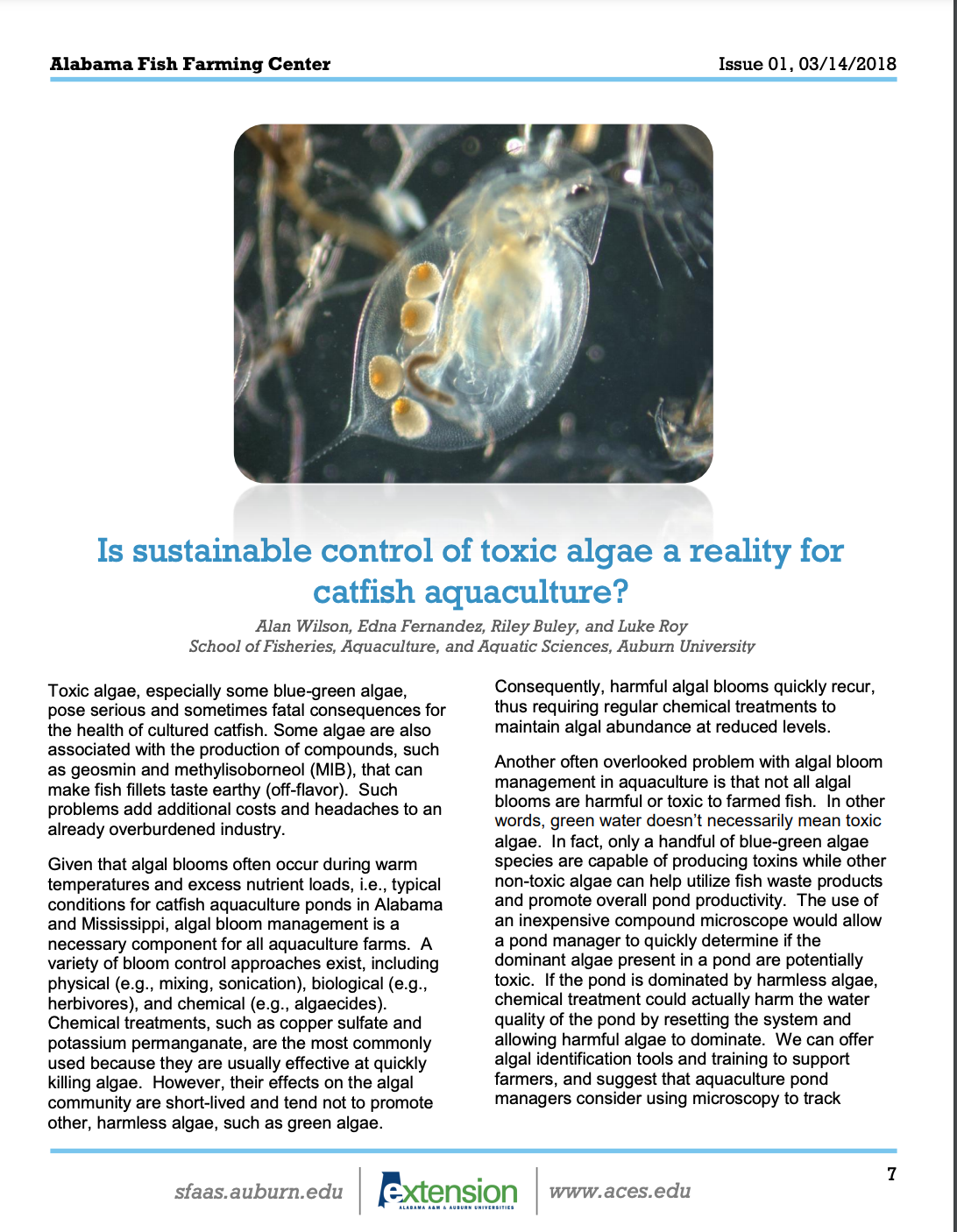
Wilson, A. E., E. G. Fernandez, R. Buley, and L. A. Roy. 2018. Is sustainable control of toxic algae a reality for catfish aquaculture? Fish Farming News 2018(1):7-8.
Abstract
Toxic algae, especially some blue-green algae, pose serious and sometimes fatal consequences for the health of cultured catfish. Some algae are also associated with the production of compounds, such as geosmin and methylisoborneol (MIB), that can make fish fillets taste earthy (off-flavor). Such problems add additional costs and headaches to an already overburdened industry.
Given that algal blooms often occur during warm temperatures and excess nutrient loads, i.e., typical conditions for catfish aquaculture ponds in Alabama and Mississippi, algal bloom management is a necessary component for all aquaculture farms. A variety of bloom control approaches exist, including physical (e.g., mixing, sonication), biological (e.g., herbivores), and chemical (e.g., algaecides). Chemical treatments, such as copper sulfate and potassium permanganate, are the most commonly used because they are usually effective at quickly killing algae. However, their effects on the algal community are short-lived and tend not to promote other, harmless algae, such as green algae.
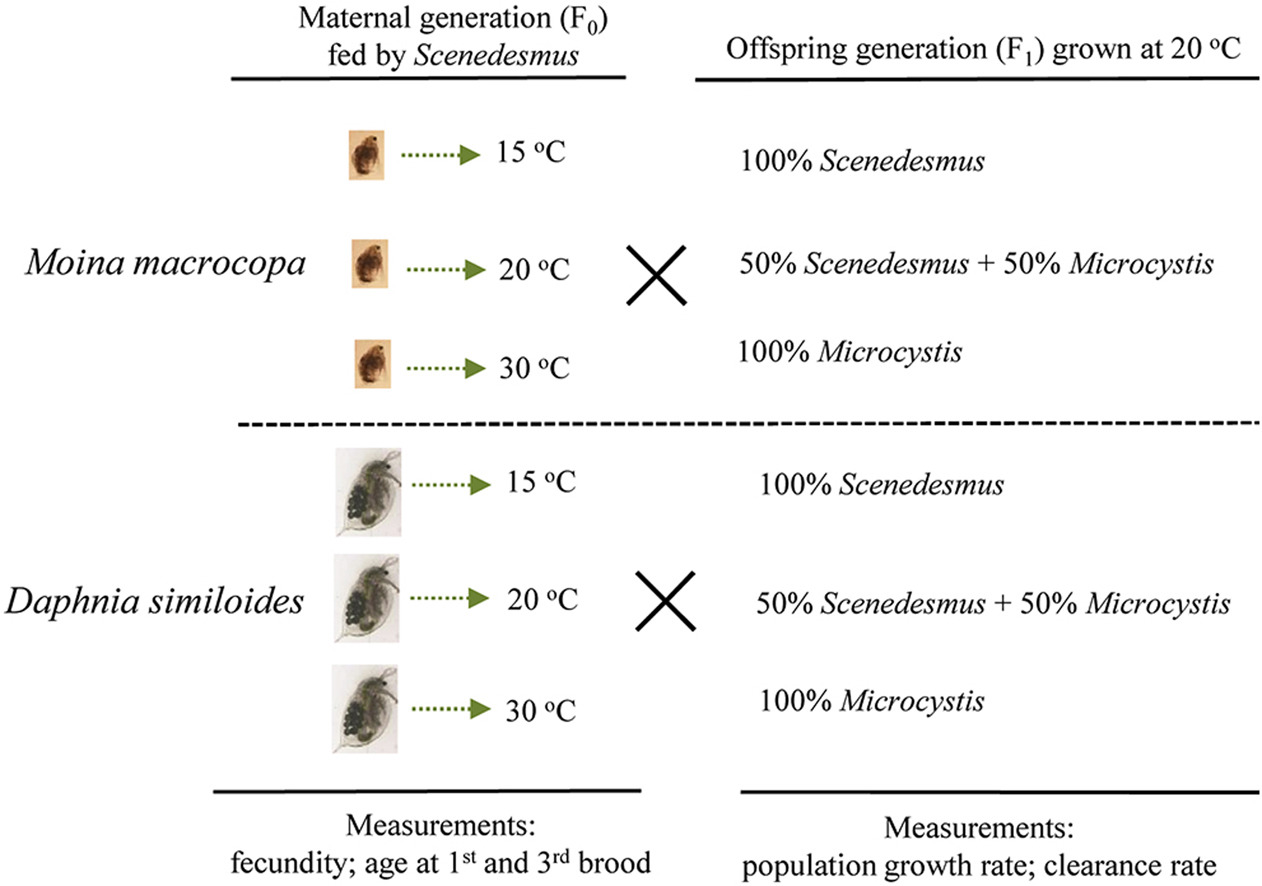
Lyu, K., L. Zhang, L. Gu, X. Zhu, A. E. Wilson, and Z. Yang. 2017. Cladoceran offspring tolerance to toxic Microcystis is promoted by maternal warming. Environmental Pollution 227:451-459.
Abstract
Elevated temperatures and nutrients can favor phytoplankton dominance by cyanobacteria, which can be toxic to zooplankton. There is growing awareness that maternal effects not only are common but can also significantly impact ecological interactions. Although climate change is broadly studied, relatively little is known regarding its influence on maternal effects in zooplankton. Given that lakes are sentinels for climate change and that elevated temperatures and nutrient pollution can favor phytoplankton dominance by toxic cyanobacteria, this study focused on elucidating the effects of maternal exposure to elevated temperatures on the tolerance of zooplankton offspring to toxic cyanobacteria in the diet. Three different maternal thermal environments were used to examine population fitness in the offspring of two cladoceran species that vary in size, including the larger Daphnia similoides and the smaller Moina macrocopa, directly challenged by toxic Microcystis. Daphnia and Moina mothers exposed to elevated temperatures produced offspring that were more resistant to Microcystis. Such findings may result from life-history optimization of mothers in different temperature environments. Interestingly, offspring from Moina fed with toxic Microcystis performed better than Daphnia offspring, which could partially explain the dominance of small cladocerans typically observed during cyanobacterial blooms. The present study emphasizes the importance of maternal effects on zooplankton resistance to cyanobacteria mediated through environmental warming and further highlights the complexities associated with the abiotic factors that influence zooplankton-cyanobacteria interactions.
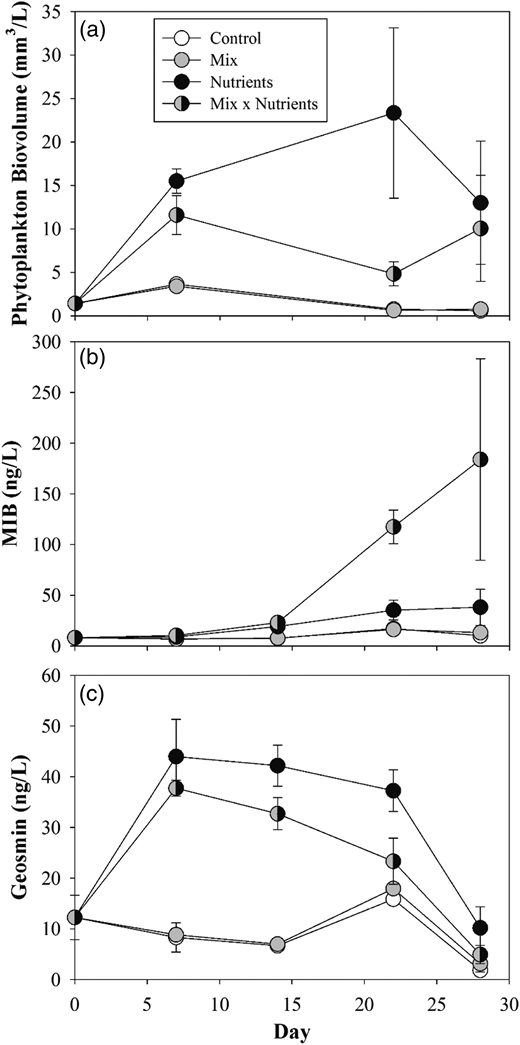
Olsen, B. K., M. F. Chislock, A. Rebelein, and A. E. Wilson. 2017. Nutrient enrichment and vertical mixing mediate 2-methylisoborneol and geosmin concentrations in a drinking water reservoir. Water Science and Technology: Water Supply 17(2):500-507.
Abstract
Few ecosystem-level studies have experimentally determined the physicochemical and biological factors that mediate concentrations of off-flavor compounds in drinking water reservoirs. Consequently, the watershed-scale mechanisms determining production of these compounds are still poorly understood. In a recent study, the addition of both nitrogen and phosphorus significantly increased 2-methylisoborneol (MIB). Not surprisingly, MIB was correlated with cyanobacterial abundance (a well-known producer of off-flavor compounds); however, MIB was most strongly correlated with diatom abundance. To empirically test for differences in the production of two important off-flavor compounds, specifically MIB and geosmin, by either cyanobacteria or diatoms, we conducted a fully factorial experiment that manipulated two factors that typically promote cyanobacteria (nitrogen and phosphorus fertilization) or diatoms (vertical mixing of the water column). As predicted, fertilization promoted cyanobacteria, and vertical mixing favored diatoms. Interestingly, the production of geosmin was rapid and consistent with an increase in cyanobacteria while MIB production increased later in the experiment when cyanobacterial biovolume tended to decline and diatom biovolume increased. Based on our current and previous studies, MIB and geosmin production is associated with cyanobacteria, but the direct or indirect influence of diatoms on production should not be ignored.
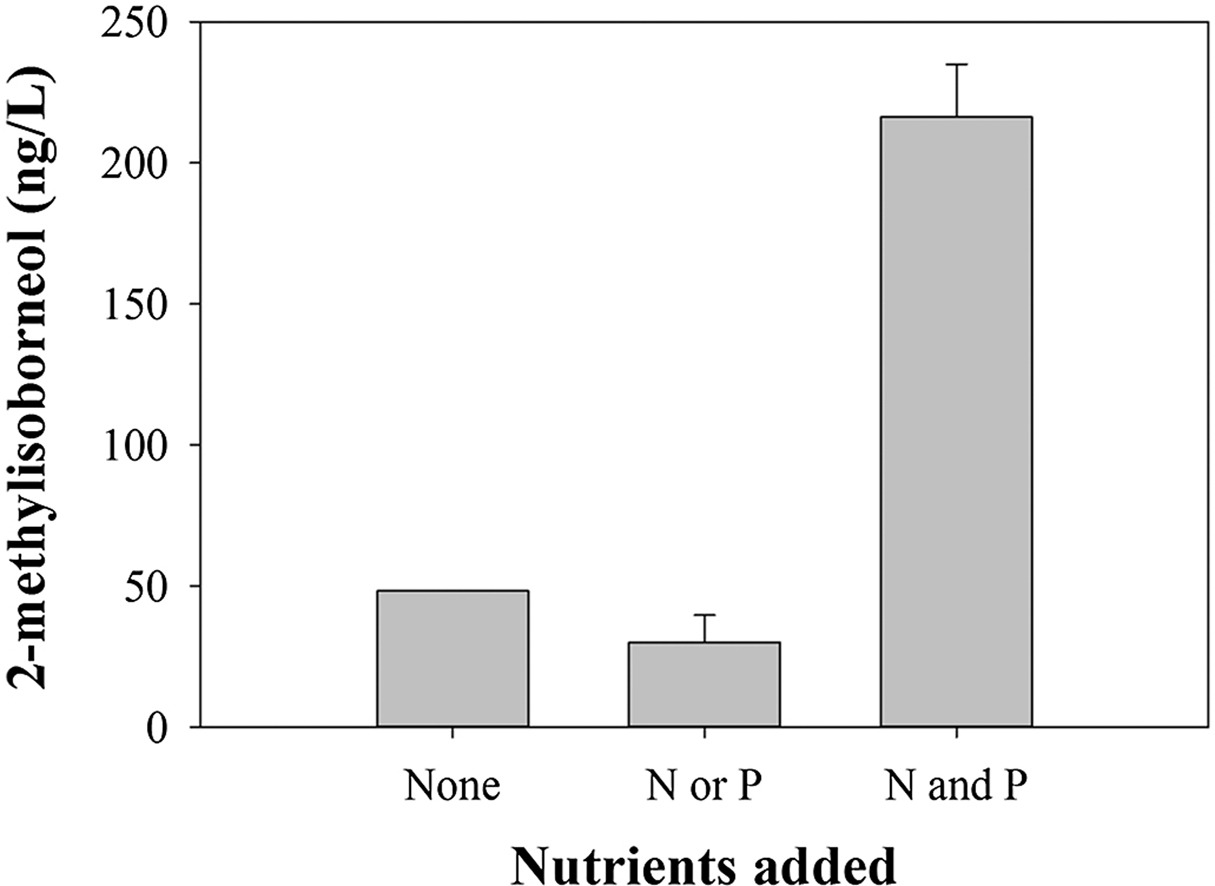
Olsen, B. K., M. F. Chislock, and A. E. Wilson. 2016. Eutrophication mediates a common off-flavor compound, 2-methylisoborneol, in a drinking water reservoir. Water Research 92:228-234.
Abstract
Off-flavors, such as 2-methylisoborneol (MIB) and geosmin, cause drinking water to have earthy or musty tastes and odors. Humans can detect such compounds at minute concentrations (10 and 30 ng/L for MIB and geosmin, respectively), and, although not a health risk, off-flavors can promote consumer distrust. Removal of these compounds is costly and often unreliable or only suitable under certain conditions. Minimizing off-flavor production at the watershed-scale may be more cost-effective in addition to improving ecosystem health and aesthetics. Cyanobacteria are considered to be the primary drivers of off-flavors in freshwater systems. Due to their ability to produce toxins, cyanobacteria have been under particular scrutiny, and environmental factors promoting cyanobacterial blooms are relatively well-studied. Using this body of literature, we conducted a seven-week, limnocorral experiment where we manipulated nitrogen and nitrogen-to-phosphorus concentrations to influence phytoplankton community structure and off-flavor production. The addition of a single nutrient across broad ranges (nitrogen or phosphorus) had no effect on MIB. However, the addition of both nitrogen and phosphorus promoted high concentrations of MIB relative to treatments that received no nutrients (448% increase) or only nitrogen or phosphorus (722% increase). Interestingly, cyanobacteria waned during the experiment and were replaced by diatoms, which were the dominant taxa by the end of the experiment. Our findings clearly show that eutrophication affects MIB production, but mechanisms leading to the production of this compound may differ from what has been previously predicted.
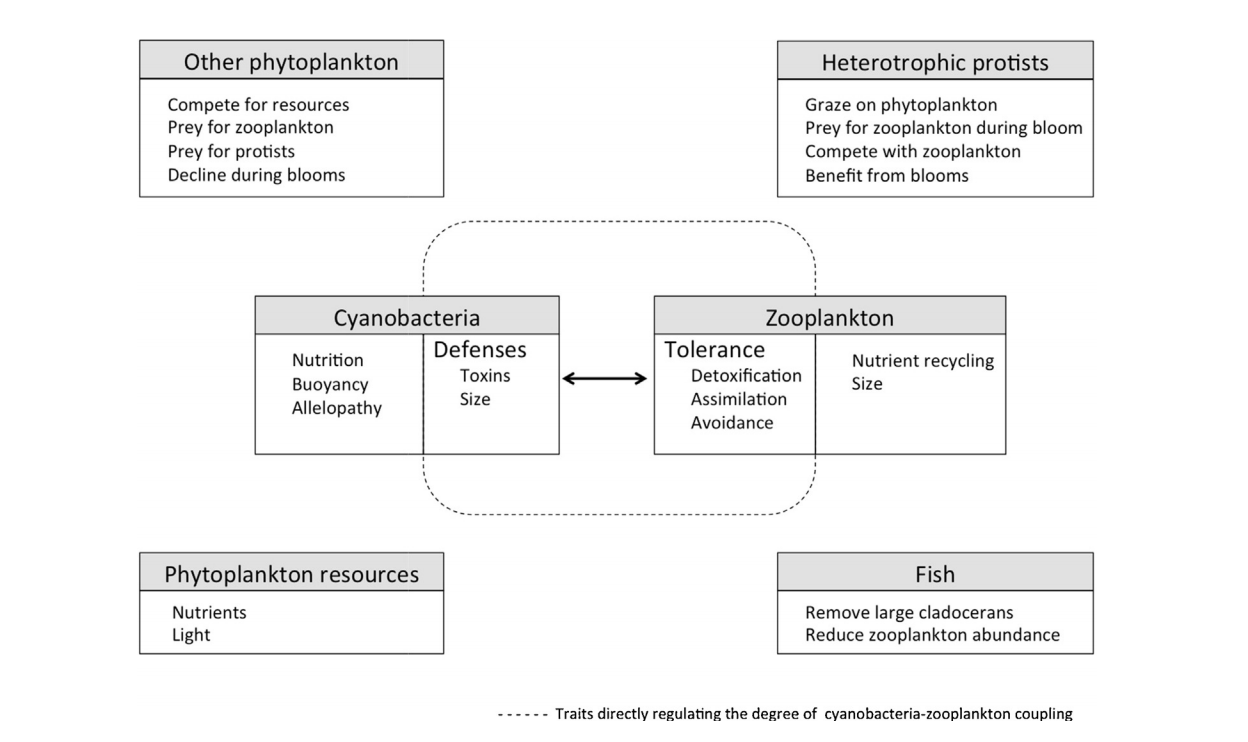
Ger, K. A., P. Urrutia-Cordero, P. C. Frost, L.-A. Hansson, O. Sarnelle, A. E. Wilson, and M. Lurling. 2016. The interaction between cyanobacteria and zooplankton in a more eutrophic world. Harmful Algae 54:128-144. (Clarivate Analytics Web of Science Highly Cited Paper)
Abstract
As blooms of cyanobacteria expand and intensify in freshwater systems globally, there is increasing interest in their ecological effects. In addition to being public health hazards, cyanobacteria have long been considered a poor quality food for key zooplankton grazers that link phytoplankton to higher trophic levels. While past laboratory studies have found negative effects of nutritional constraints and defensive traits (i.e., toxicity and colonial or filamentous morphology) on the fitness of large generalist grazers (i.e., Daphnia), cyanobacterial blooms often co-exist with high biomass of small-bodied zooplankton in nature. Indeed, recent studies highlight the remarkable diversity and flexibility in zooplankton responses to cyanobacterial prey. Reviewed here are results from a wide range of laboratory and field experiments examining the interaction of cyanobacteria and a diverse zooplankton taxa including cladocerans, copepods, and heterotrophic protists from temperate to tropical freshwater systems. This synthesis shows that longer exposure to cyanobacteria can shift zooplankton communities toward better-adapted species, select for more tolerant genotypes within a species, and induce traits within the lifetime of individual zooplankton. In turn, the function of bloom-dominated plankton ecosystems, the coupling between primary producers and grazers, the stability of blooms, and the potential to use top down biomanipulation for controlling cyanobacteria depend largely on the species, abundance, and traits of interacting cyanobacteria and zooplankton. Understanding the drivers and consequences of zooplankton traits, such as physiological detoxification and selective vs. generalist grazing behavior, are therefore of major importance for future studies. Ultimately, co-evolutionary dynamics between cyanobacteria and their grazers may emerge as a critical regulator of blooms.
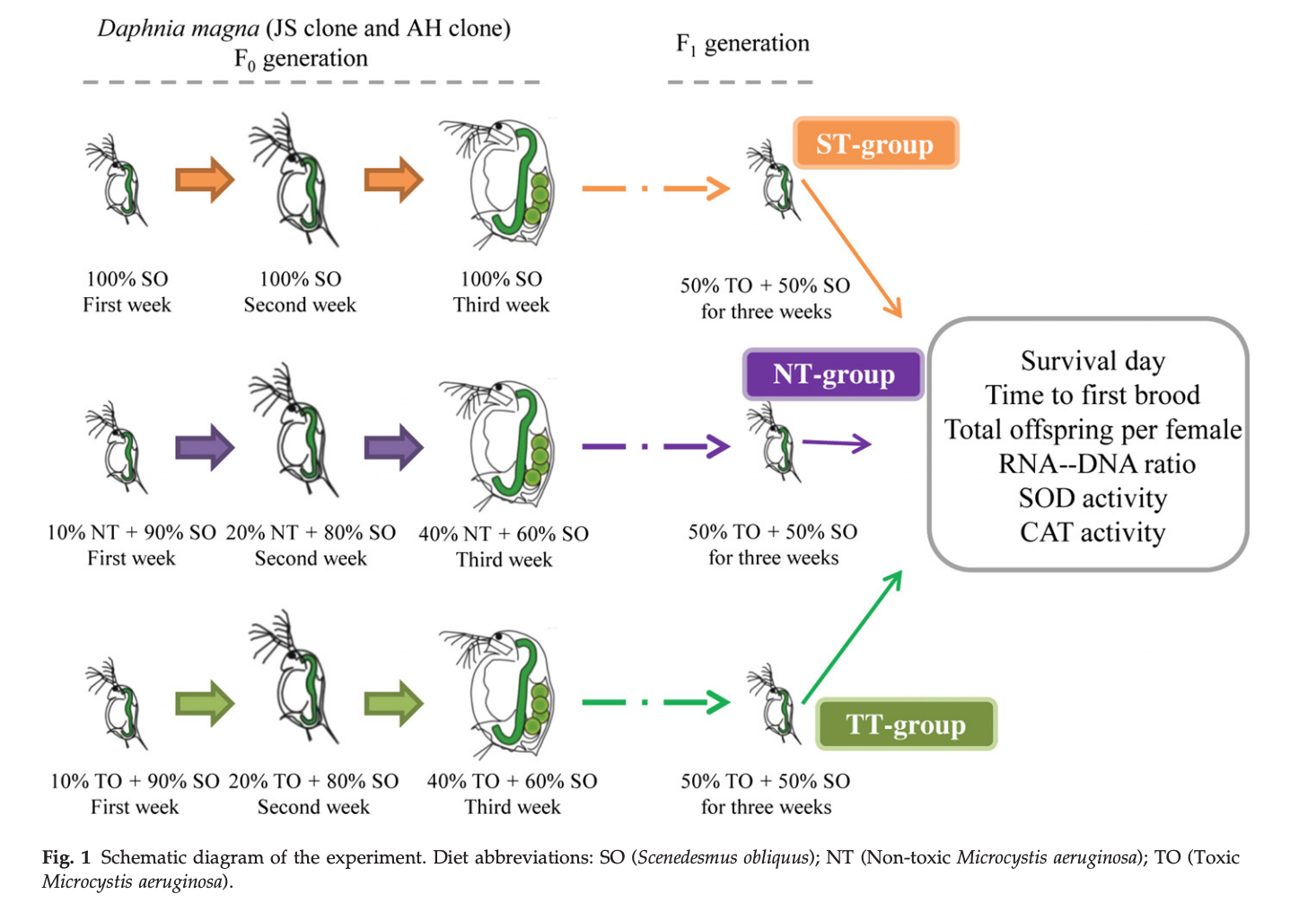
Lyu, K., H. Guan, C. Wu, X. Wang, A. E. Wilson, and Z. Yang. 2016. Maternal consumption of non-toxic Microcystis by Daphnia magna induces tolerance to toxic Microcystis in offspring. Freshwater Biology 61:219-228
Abstract
- Freshwater cyanobacterial blooms are a worldwide environmental issue. These blooms often comprise both non-toxic and toxic species and strains. Populations of some zooplankton, including Daphnia, have been shown to adapt locally to toxic Microcystis through maternal effects. However, Microcystis populations vary spatially and temporally in the absolute and relative abundances of non-toxic and toxic genotypes.
- We examined variation in induction of tolerance to toxic cyanobacteria in offspring from two Daphnia magna clones (JS and AH) fed diets containing Scenedesmus by itself or in combination with either a non-toxic or a toxic clone of Microcystis aeruginosa. The diets containing Microcystis included relatively more cyanobacteria within each week of the 3 week experiment (week 1–10%, week 2–20%, week 3–40%). Daphnia neonates were collected from these three treatments at the end of the third week and fed a diet containing Scenedesmus and toxic Microcystis for 3 weeks before a suite of life-history, physiological and biochemical measurements were made on the surviving animals.
- Neonates from mothers fed toxic and non-toxic Microcystis showed enhanced growth and reproduction compared to neonates produced from mothers fed only Scenedesmus. Our results showed that Daphnia neonates could be induced to tolerate toxic cyanobacteria when their mothers were fed diets containing non-toxic or toxic strains of cyanobacteria. Furthermore, elevated RNA–DNA ratios, superoxide dismutase activity and catalase activity in neonates fed diets containing non-toxic or toxic Microcystis clones suggested that the mechanisms behind these changes involved processes associated with metabolism and antioxidation.
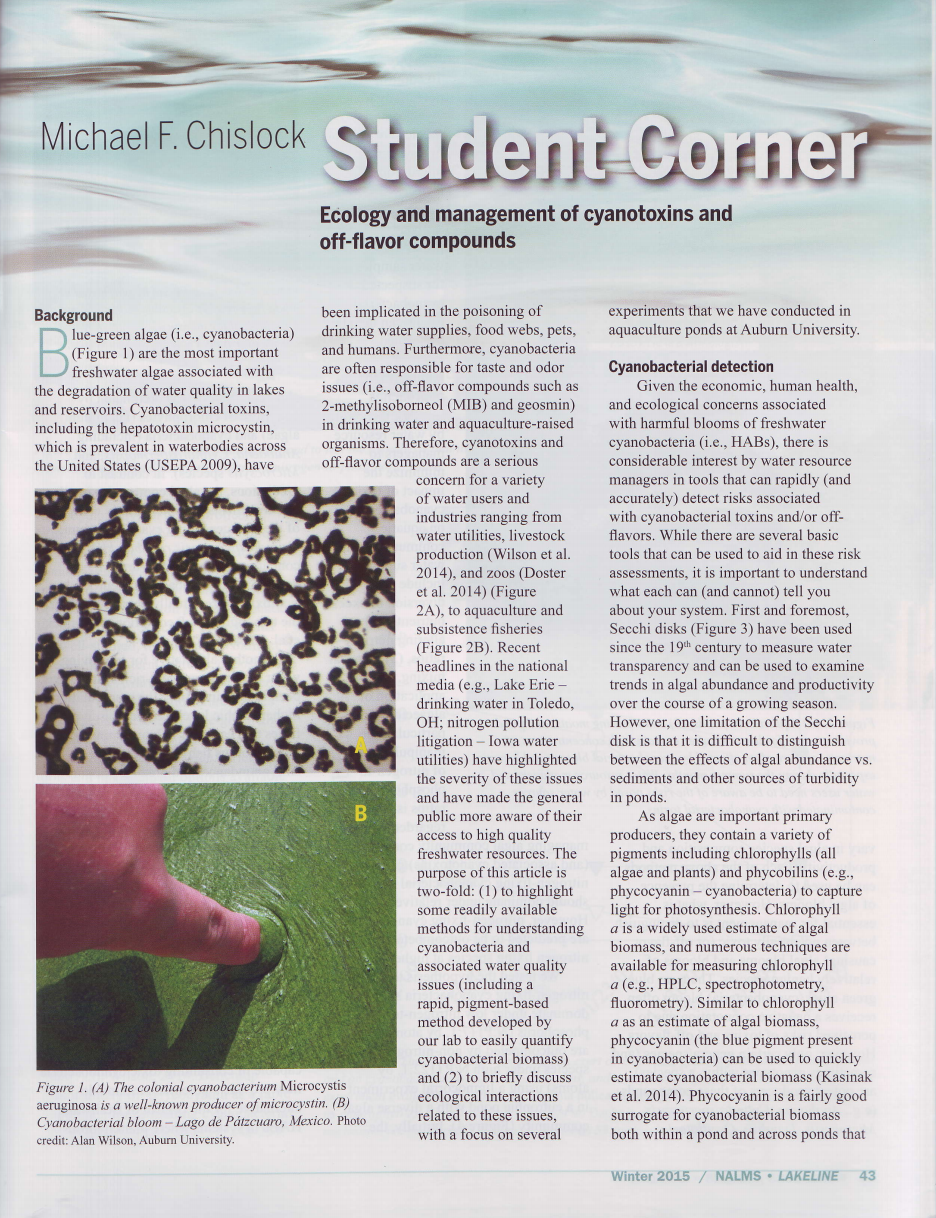
Chislock, M. F. 2015. Ecology and management of off-flavors and cyanotoxins. LakeLine. Winter 2015:43-46
Abstract
Kasinak, J.-M. E., C. J. Bishop, R. A. Wright, and A. E. Wilson. 2015. Grass carp do not consume the nuisance benthic cyanobacterium, Lyngbya wollei. Journal of Aquatic Plant Management 53:74-80.
Abstract
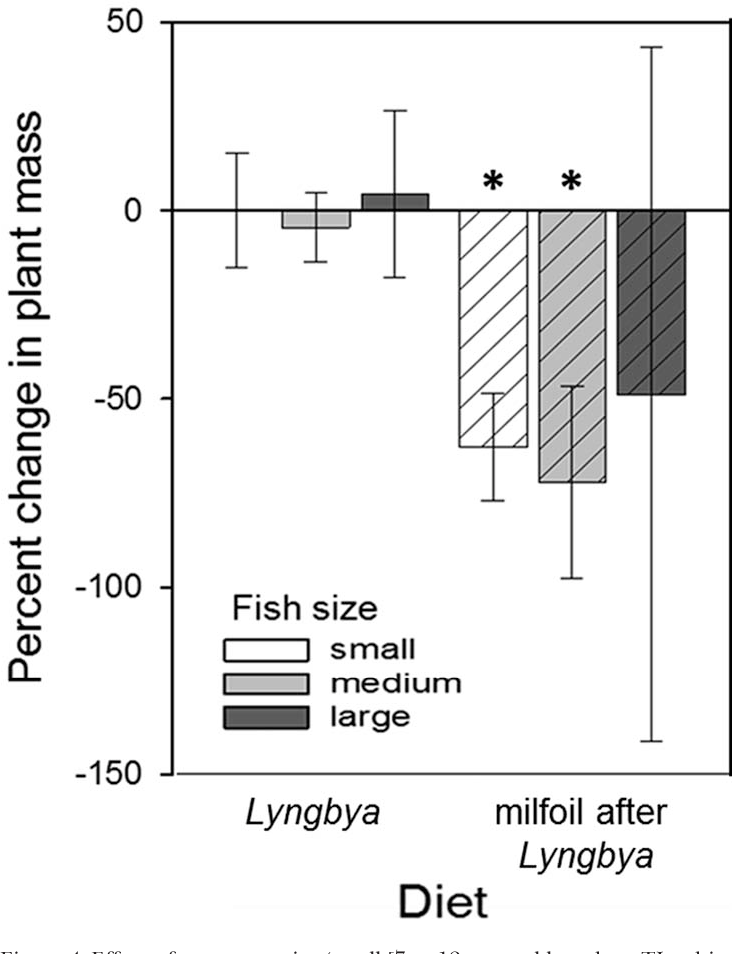
Grass carp, Ctenopharyngodon idella, (Cuvier and Valenciennes, 1844) are an effective biological control for many aquatic plants, especially submersed macrophytes and macrophytic algae. Despite limited data, grass carp are sometimes promoted as a tool for controlling filamentous algae, including some cyanobacteria, in small impoundments. One important cyanobacterium, Lyngbya wollei (Farlow ex Gomont) comb, nov., is a nuisance species in North America that forms benthic mats and surface scums and can produce multiple intracellular toxins and off-flavor compounds. Current management of Lyngbya calls for approaches similar to those for other nuisance algae, including chemical control using herbicides and biological control using grass carp when herbicides are not practical. Although agency biologists and private consultants recommend stocking grass carp to control filamentous algae, no conclusive empirical data show that grass carp consume Lyngbya. We conducted mesocosm experiments where different densities of grass carp of varying sizes were fed diets either containing a macrophyte, variable watermilfoil (Myriophyllum heterophyllum Michx.) and/or Lyngbya. In general, grass carp did not consume Lyngbya when offered by itself pr with milfoil, regardless of carp density or size. To test one mechanism mediating the lack of Lyngbya consumption by grass carp (i.e., chemical ecology), a feeding experiment where ground Lyngbya was fed to grass carp in agar pellets suggests that the secondary chemistry of Lyngbya prevents grass carp consumption. Although anecdotal observation suggests that high rates of grass carp stocking appear to Control Lyngbya, the results of this study suggest that the mechanism of control is not direct consumption (e.g., physical disruption of the benthic mats).
Lyu, K., L. Zhang, X. Zhu, G. Cui, A. E. Wilson, and Z. Yang. 2015. Arginine kinase in the cladoceran Daphnia magna: cDNA sequencing and expression is associated with resistance to toxic Microcystis. Aquatic Toxicology 160:13-21.
Abstract
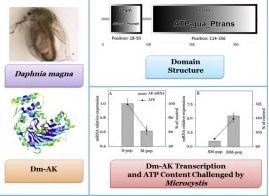
Nutrient loading derived from anthropogenic activities into lakes have increased the frequency, severity and duration of toxic cyanobacterial blooms around the world. Although herbivorous zooplankton are generally considered to be unable to control toxic cyanobacteria, populations of some zooplankton, including Daphnia, have been shown to locally adapt to toxic cyanobacteria and suppress cyanobacterial bloom formation. However, little is known about the physiology of zooplankton behind this phenomenon. One possible explanation is that some zooplankton may induce more tolerance by elevating energy production, thereby adding more energy allocation to detoxification expenditure. It is assumed that arginine kinase (AK) serves as a core in temporal and spatial adenosine triphosphate (ATP) buffering in cells with high fluctuating energy requirements. To test this hypothesis, we studied the energetic response of a single Daphnia magna clone exposed to a toxic strain of Microcystis aeruginosa, PCC7806. Arginine kinase of D. magna (Dm-AK) was successfully cloned. An ATP-gua PtransN domain which was described as a guanidine substrate specificity domain and an ATP-gua Ptrans domain which was responsible for binding ATP were both identified in the Dm-AK. Phylogenetic analysis of AKs in a range of arthropod taxa suggested that Dm-AK was as dissimilar to other crustaceans as it was to insects. Dm-AK transcript level and ATP content in the presence of M. aeruginosa were significantly lower than those in the control diet containing only the nutritious chlorophyte, Scenedesmus obliquus, whereas the two parameters in the neonates whose mothers had been previously exposed to M. aeruginosa were significantly higher than those of mothers fed with pure S. obliquus. These findings suggest that Dm-AK might play an essential role in the coupling of energy production and utilization and the tolerance of D. magna to toxic cyanobacteria.