Citation

Olsen, B. K., M. F. Chislock, and A. E. Wilson. 2016. Eutrophication mediates a common off-flavor compound, 2-methylisoborneol, in a drinking water reservoir. Water Research 92:228-234. 

Abstract

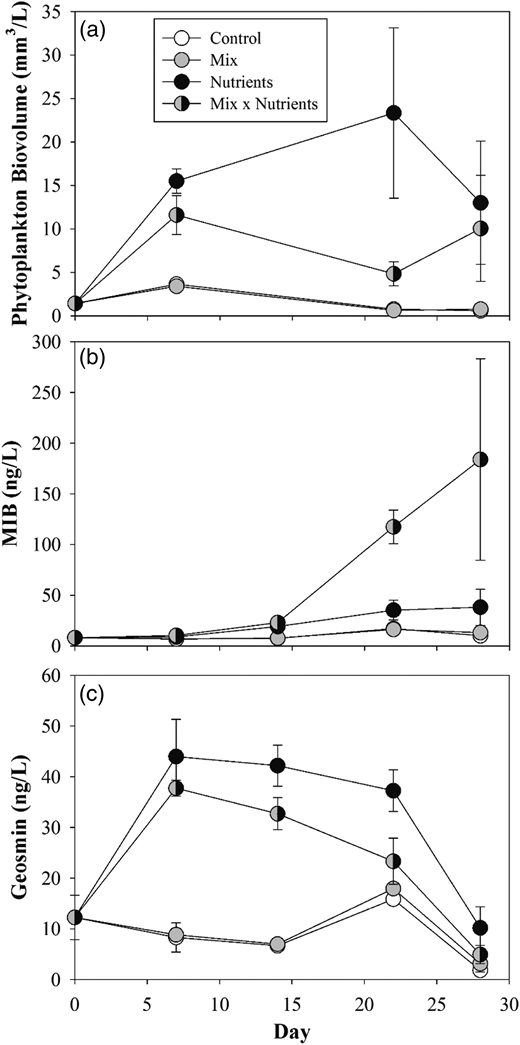
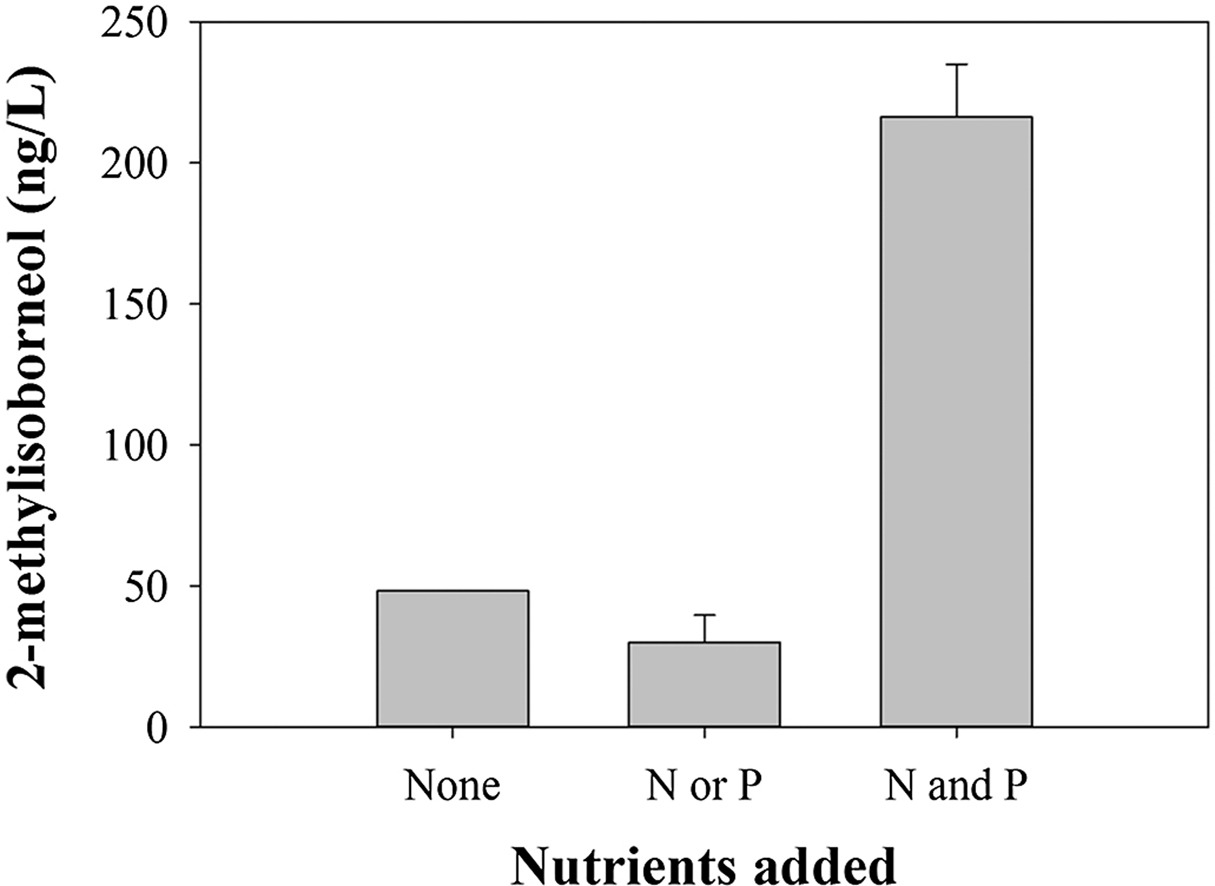
Off-flavors, such as 2-methylisoborneol (MIB) and geosmin, cause drinking water to have earthy or musty tastes and odors. Humans can detect such compounds at minute concentrations (10 and 30 ng/L for MIB and geosmin, respectively), and, although not a health risk, off-flavors can promote consumer distrust. Removal of these compounds is costly and often unreliable or only suitable under certain conditions. Minimizing off-flavor production at the watershed-scale may be more cost-effective in addition to improving ecosystem health and aesthetics. Cyanobacteria are considered to be the primary drivers of off-flavors in freshwater systems. Due to their ability to produce toxins, cyanobacteria have been under particular scrutiny, and environmental factors promoting cyanobacterial blooms are relatively well-studied. Using this body of literature, we conducted a seven-week, limnocorral experiment where we manipulated nitrogen and nitrogen-to-phosphorus concentrations to influence phytoplankton community structure and off-flavor production. The addition of a single nutrient across broad ranges (nitrogen or phosphorus) had no effect on MIB. However, the addition of both nitrogen and phosphorus promoted high concentrations of MIB relative to treatments that received no nutrients (448% increase) or only nitrogen or phosphorus (722% increase). Interestingly, cyanobacteria waned during the experiment and were replaced by diatoms, which were the dominant taxa by the end of the experiment. Our findings clearly show that eutrophication affects MIB production, but mechanisms leading to the production of this compound may differ from what has been previously predicted.

Keywords

Link to Publication

Citation

Ger, K. A., P. Urrutia-Cordero, P. C. Frost, L.-A. Hansson, O. Sarnelle, A. E. Wilson, and M. Lurling. 2016. The interaction between cyanobacteria and zooplankton in a more eutrophic world. Harmful Algae 54:128-144.  (Clarivate Analytics Web of Science Highly Cited Paper)

Abstract

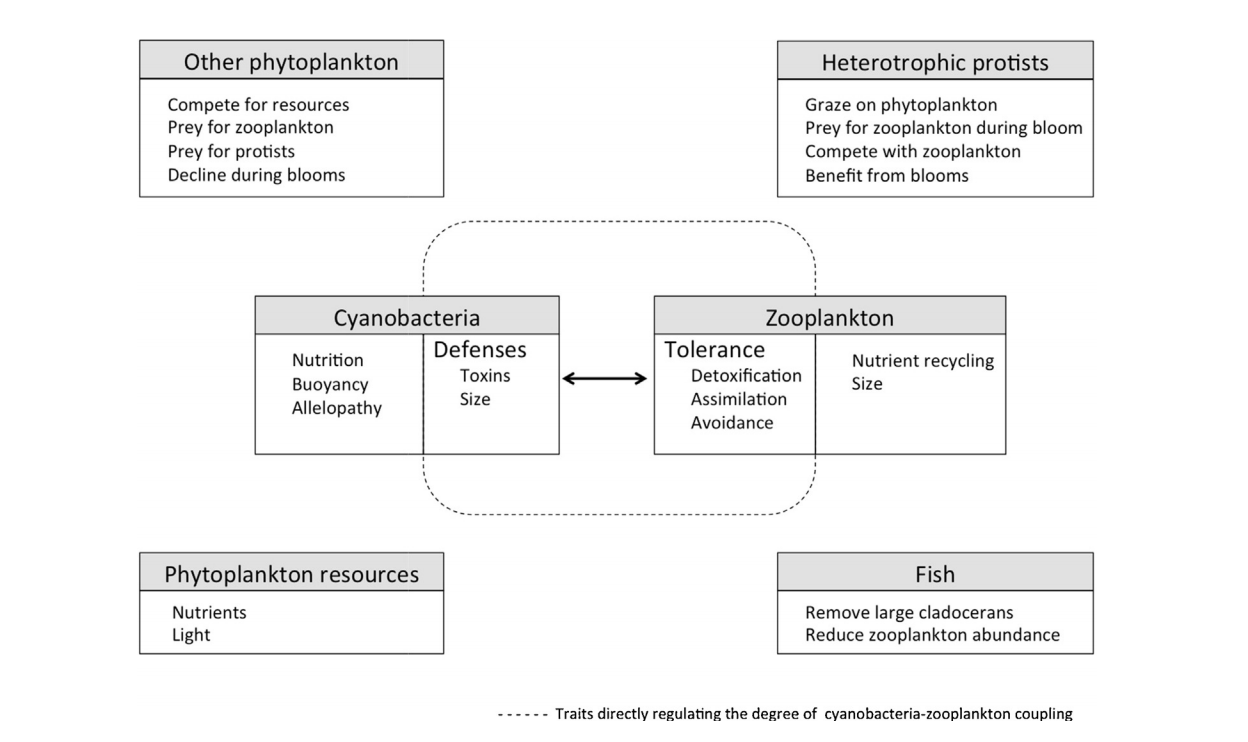
As blooms of cyanobacteria expand and intensify in freshwater systems globally, there is increasing interest in their ecological effects. In addition to being public health hazards, cyanobacteria have long been considered a poor quality food for key zooplankton grazers that link phytoplankton to higher trophic levels. While past laboratory studies have found negative effects of nutritional constraints and defensive traits (i.e., toxicity and colonial or filamentous morphology) on the fitness of large generalist grazers (i.e., Daphnia), cyanobacterial blooms often co-exist with high biomass of small-bodied zooplankton in nature. Indeed, recent studies highlight the remarkable diversity and flexibility in zooplankton responses to cyanobacterial prey. Reviewed here are results from a wide range of laboratory and field experiments examining the interaction of cyanobacteria and a diverse zooplankton taxa including cladocerans, copepods, and heterotrophic protists from temperate to tropical freshwater systems. This synthesis shows that longer exposure to cyanobacteria can shift zooplankton communities toward better-adapted species, select for more tolerant genotypes within a species, and induce traits within the lifetime of individual zooplankton. In turn, the function of bloom-dominated plankton ecosystems, the coupling between primary producers and grazers, the stability of blooms, and the potential to use top down biomanipulation for controlling cyanobacteria depend largely on the species, abundance, and traits of interacting cyanobacteria and zooplankton. Understanding the drivers and consequences of zooplankton traits, such as physiological detoxification and selective vs. generalist grazing behavior, are therefore of major importance for future studies. Ultimately, co-evolutionary dynamics between cyanobacteria and their grazers may emerge as a critical regulator of blooms.

Keywords

Link to Publication

Citation

Lyu, K., H. Guan, C. Wu, X. Wang, A. E. Wilson, and Z. Yang. 2016. Maternal consumption of non-toxic Microcystis by Daphnia magna induces tolerance to toxic Microcystis in offspring. Freshwater Biology 61:219-228 

Abstract

  1. Freshwater cyanobacterial blooms are a worldwide environmental issue. These blooms often comprise both non-toxic and toxic species and strains. Populations of some zooplankton, including Daphnia, have been shown to adapt locally to toxic Microcystis through maternal effects. However, Microcystis populations vary spatially and temporally in the absolute and relative abundances of non-toxic and toxic genotypes.
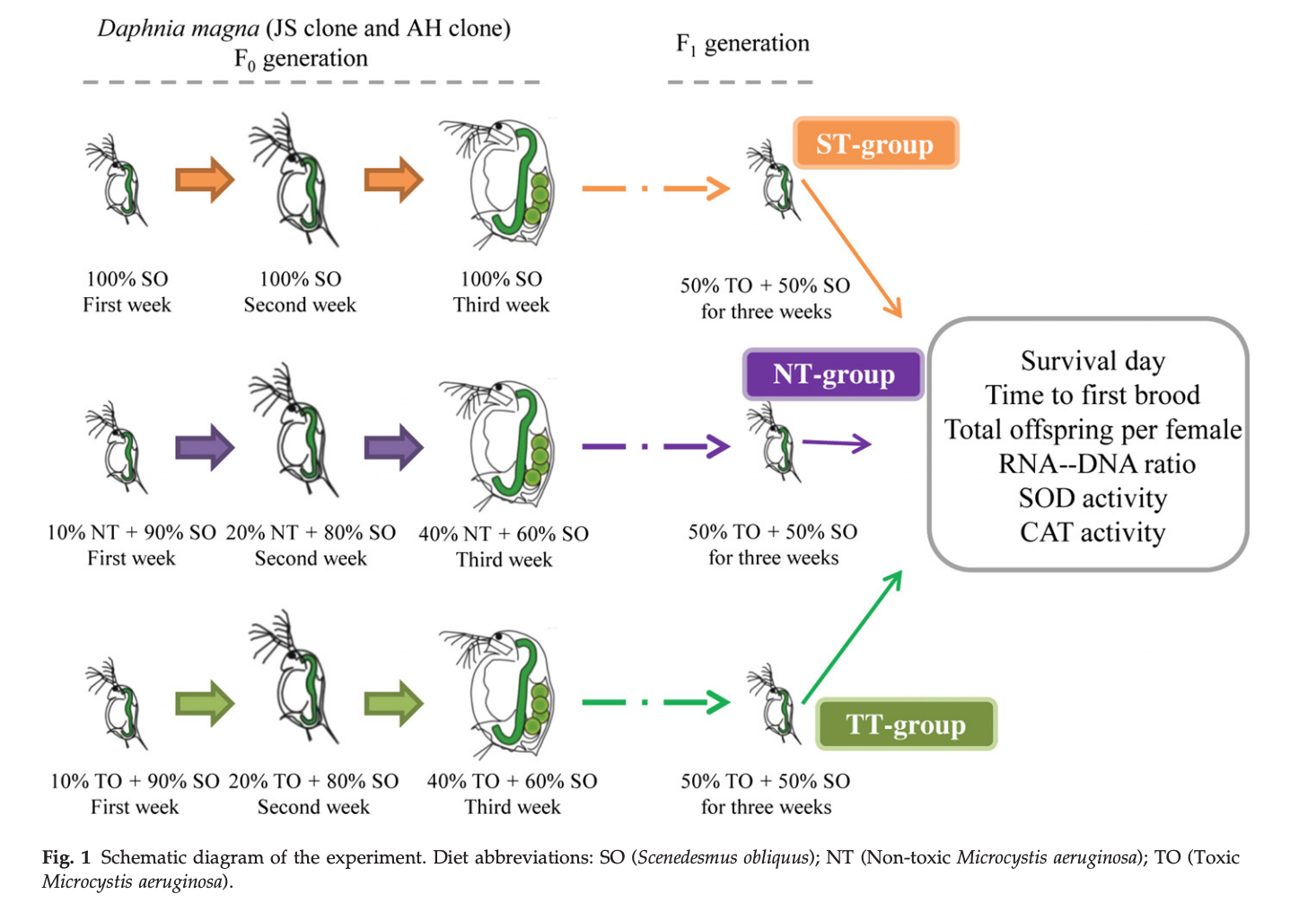
  2. We examined variation in induction of tolerance to toxic cyanobacteria in offspring from two Daphnia magna clones (JS and AH) fed diets containing Scenedesmus by itself or in combination with either a non-toxic or a toxic clone of Microcystis aeruginosa. The diets containing Microcystis included relatively more cyanobacteria within each week of the 3 week experiment (week 1–10%, week 2–20%, week 3–40%). Daphnia neonates were collected from these three treatments at the end of the third week and fed a diet containing Scenedesmus and toxic Microcystis for 3 weeks before a suite of life-history, physiological and biochemical measurements were made on the surviving animals.
  3. Neonates from mothers fed toxic and non-toxic Microcystis showed enhanced growth and reproduction compared to neonates produced from mothers fed only Scenedesmus. Our results showed that Daphnia neonates could be induced to tolerate toxic cyanobacteria when their mothers were fed diets containing non-toxic or toxic strains of cyanobacteria. Furthermore, elevated RNA–DNA ratios, superoxide dismutase activity and catalase activity in neonates fed diets containing non-toxic or toxic Microcystis clones suggested that the mechanisms behind these changes involved processes associated with metabolism and antioxidation.

Keywords

Link to Publication

Citation

Kollock, R., C. Andrews, A. Johnston, T. Elliott, A. E. Wilson, K. Games, and J. Sefton. 2016. A meta-analysis to determine if lower extremity muscle strengthening should be included in military knee overuse injury prevention programs. Journal of Athletic Training 51(11):919-926.

Abstract

Context: Knee overuse injuries are the most common musculoskeletal complaints in military trainees and are common in active-duty warfighters. Muscle strengthening is usually recommended; however, research is conflicting in this area, which makes it difficult to develop effective screening, prevention, and training interventions for warfighters. Objective: To determine if lower extremity muscular weakness contributes to knee overuse injuries and identify specific muscular involvement. Data sources: We searched MEDLINE, PubMed, Web of Science, SPORTDiscus, CINAHL, and Military & Government Collection and reference lists of relevant articles published between January 1, 2000, and January 1, 2013. Study selection: For inclusion, requirements were uninjured and injured groups; provision of the sample size, means, and standard deviations for all groups; identification of the specific muscles assessed; and clearly defined knee injury. Data extraction: Sample size, sex, and muscle strength means and standard deviations. Data synthesis: Twenty-five studies met these criteria. We used the Scottish Intercollegiate Guidelines Network algorithm to determine the appropriate tool for appraising article quality. Unweighted random-effects model meta-analyses were conducted. Separate meta-analyses were performed for the moderators of strength measurement scale (absolute or normalized muscle strength), muscle group, and sex. A weighted random-effects model with a Hedges g effect metric and 95% confidence intervals were used for comparison across studies. Conclusions: Our meta-analysis suggests that individuals with symptoms of a knee overuse injury have lower absolute and normalized hip muscle strength. Specifically, they had lower absolute hip external-rotator, knee-extensor, and knee-flexor strength, as well as lower normalized hip external-rotator, hip-extensor, and hip-abductor strength, compared with asymptomatic control participants. The findings suggest a possible link between lower hip and thigh strength and knee overuse injuries. Further research is needed to determine if weakness is a cause or a result of knee overuse injuries before screening and intervention can be developed for at-risk warfighters.

Keywords

Link to Publication

Citation

Koch, R. E., A. E. Wilson, and G. E. Hill. 2016. The importance of carotenoid dose in supplementation studies with songbirds. Physiological and Biochemical Zoology 89(1):61-71.

Abstract

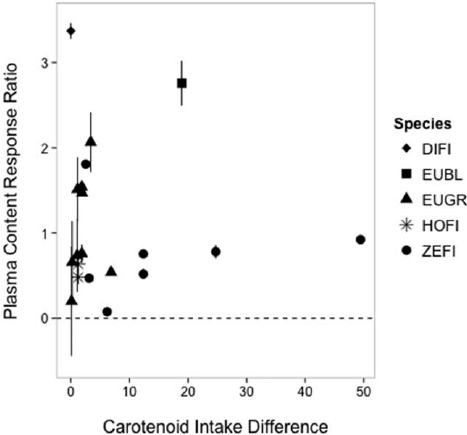
Carotenoid coloration is the one of the most frequently studied ornamental traits in animals. Many studies of carotenoid coloration test the associations between carotenoid coloration and measures of performance, such as immunocompetence and oxidative state, proceeding from the premise that carotenoids are limited resources. Such studies commonly involve supplementing the diets of captive birds with carotenoids. In many cases, however, the amount of carotenoid administered is poorly justified, and even supposedly carotenoid-limited diets may saturate birds’ systems. To quantify the relationships among the amount of carotenoids administered in experiments, levels of circulating carotenoids, and quantities of carotenoids deposited into colored ornaments, we performed a meta-analysis of 15 published studies that supplemented carotenoids to one of seven songbird species. We used allometric scaling equations to estimate the per-gram carotenoid consumption of each study’s subjects, and we used meta-regression to evaluate the effects of this carotenoid dose on differences in coloration and plasma carotenoid levels between supplemented and control groups of birds. After accounting for supplementation duration and species, we observed a significant positive correlation between carotenoid intake and response of plasma carotenoid level to supplementation. The presence of supplemental carotenoids also tended to increase the expression of ornamental coloration, but the magnitude of the carotenoid dose did not significantly affect how strongly coloration changed with supplementation. Further, coloration effect sizes had no significant relationship with plasma carotenoid effect sizes. We also found significant heterogeneity in responses among studies and species, and the parameters used to measure color significantly affected response to supplementation. Our results emphasize the importance of performing dosage trials to determine what supplementation levels provide limited versus surplus carotenoids and of measuring the natural level of carotenoid intake by the study species to validate the appropriateness of supplementation levels for a particular study species and experimental design.

Keywords

Link to Publication

Citation

Chislock, M. F. 2015. Ecology and management of off-flavors and cyanotoxins. LakeLine. Winter 2015:43-46 

Keywords

Citation

ArchMiller, A. A., E. F. Bauer, R. E. Koch, B. K. Wijayawardena, A. Anil, J. J. Kottwitz, A. S. Munsterman, and A. E. Wilson. 2015. Formalizing the definition of meta-analysis in Molecular EcologyMolecular Ecology 24:4042-4051. 

Abstract

Meta-analysis, the statistical synthesis of pertinent literature to develop evidence-based conclusions, is relatively new to the field of molecular ecology, with the first meta-analysis published in the journal Molecular Ecology in 2003 (Slate & Phua 2003). The goal of this article is to formalize the definition of meta-analysis for the authors, editors, reviewers and readers of Molecular Ecology by completing a review of the meta-analyses previously published in this journal. We also provide a brief overview of the many components required for meta-analysis with a more specific discussion of the issues related to the field of molecular ecology, including the use and statistical considerations of Wright’s FST and its related analogues as effect sizes in meta-analysis. We performed a literature review to identify articles published as ‘meta-analyses’ in Molecular Ecology, which were then evaluated by at least two reviewers. We specifically targeted Molecular Ecology publications because as a flagship journal in this field, meta-analyses published in Molecular Ecology have the potential to set the standard for meta-analyses in other journals. We found that while many of these reviewed articles were strong meta-analyses, others failed to follow standard meta-analytical techniques. One of these unsatisfactory meta-analyses was in fact a secondary analysis. Other studies attempted meta-analyses but lacked the fundamental statistics that are considered necessary for an effective and powerful meta-analysis. By drawing attention to the inconsistency of studies labelled as meta-analyses, we emphasize the importance of understanding the components of traditional meta-analyses to fully embrace the strengths of quantitative data synthesis in the field of molecular ecology.

Keywords

Dowload Publication (PDF)

Link to Publication

Citation

Games, K., J. Sefton, and A. E. Wilson. 2015. Effect of whole-body vibration on blood flow and muscle oxygenation: a meta-analysis. Journal of Athletic Training 50(5):542-549. 

Abstract

CONTEXT The use and popularity of whole-body vibration (WBV) has increased in recent years, but there is a lack of consensus in the literature about the effectiveness of the treatment.

OBJECTIVE To quantitatively examine the effects of WBV on muscle oxygenation and peripheral blood flow in healthy adults.

DATA SOURCES We searched Web of Science and PubMed databases and reference lists from relevant articles using the key terms whole body vibration, whole-body vibration, WBV, blood flow, peripheral blood flow, oxygenation, muscle oxygenation, circulation, circulatory, near infrared spectroscopy, NIRS, and power Doppler. Key terms were searched using single word and combination searches. No date range was specified.

STUDY SELECTION Criteria for inclusion were (1) use of a commercially available WBV device, (2) a human research model, (3) a pre-WBV condition and at least 1 WBV experimental condition, and (4) reporting of unstandardized means and standard deviations of muscle oxygenation or peripheral blood flow.

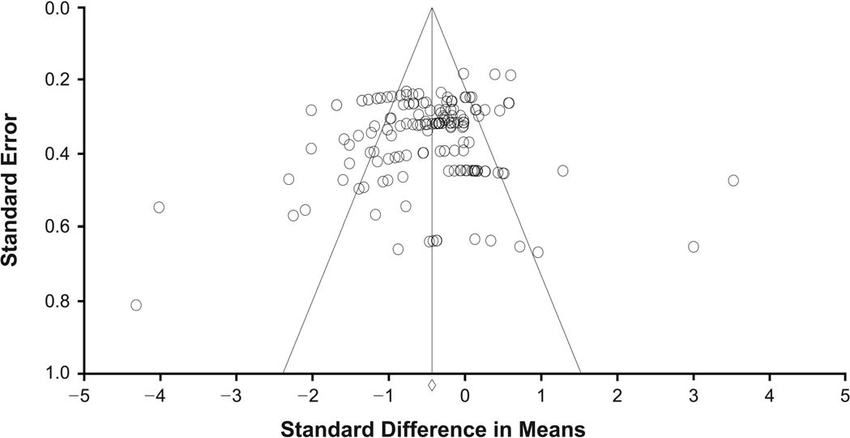
DATA EXTRACTION Means, standard deviations, and sample sizes were extracted from the text, tables, and figures of included studies. A total of 35 and 90 data points were extracted for the muscle-oxygenation and blood-flow meta-analyses, respectively. Data for each meta-analysis were combined and analyzed using meta-analysis software. Weighted, random-effects meta-analyses using the Hedges g metric were completed for muscle oxygenation and blood flow. We then conducted follow-up analyses using the moderator variables of vibration type, vibration time, vibration frequency, measurement location, and sample type.

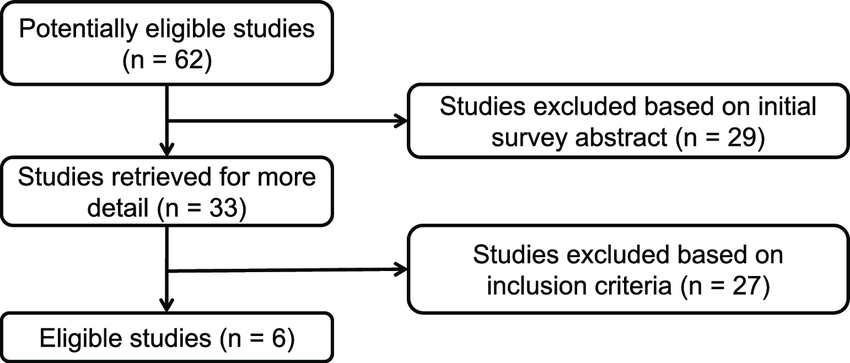
DATA SYNTHESIS We found 18 potential articles. Further examination yielded 10 studies meeting the inclusion criteria. Whole-body vibration was shown to positively influence peripheral blood flow. Additionally, the moderators of vibration type and frequency altered the influence of WBV on blood flow. Overall, WBV did not alter muscle oxygenation; however, when the measurement site was considered, muscle oxygenation increased or decreased depending on the location. CONCLUSIONS Acute bouts of WBV increase peripheral blood flow but do not alter skeletal muscle oxygenation. Vibration type appears to be the most important factor influencing both muscle oxygenation and peripheral blood flow

Keywords

Link to Publication

Citation

Goessling, J. M., H. Kennedy, M. T. Mendonça, and A. E. Wilson. 2015. A meta-analysis of plasma corticosterone and heterophil:lymphocyte ratios – Is there conservation of physiological stress responses over time? Functional Ecology 29:1189-1196.

Abstract

  1. There is growing need for reliable biomarkers of the physiological stress response in basic ecological investigations and conservation-specific applications. One effect of stress hormone secretion is the alteration of circulating leucocytes, specifically an increase in the heterophil : lymphocyte ratio (HLR). There have been numerous studies and reviews of the relationship between the stress response and HLR, yet the data have not been systematically analysed across studies.
  2. Here, we performed meta-analyses of studies in which paired values of plasma corticosterone (CORT) and HLR were available to investigate the relationship between these parameters. Specifically, we analysed CORT and HLR as baseline measures between treatment (or ‘stressed’ populations) and control (or ‘reference’ populations). Additionally, we investigated the relationship within CORT and HLR to identify temporal patterns of the response as a result of the duration of the stressor.
  3. Across studies, we identified that CORT and HLR are significantly elevated in populations subjected to environmentally stressful conditions. While not significantly different, CORT tended to be more elevated than HLR in the stressed populations.
  4. We found that there is a significant, negative relationship between CORT and the temporal duration of environmental stress. Additionally, we found a significant break point in this response at 85 days of stress duration, above which there is not a clear relationship between CORT and duration. This indicates that the CORT response to environmental stress attenuates.
  5. We found a small but positive significant relationship between HLR and temporal duration of environmental stress. This suggests that the elevation of HLR in response to environmental stress does not decrease over time.
  6. Our data identified that data gaps of wild populations of species exist and that more studies pairing physiological stress responses will further our understanding of how populations respond to environmental challenges. We found that CORT and HLR responded differently to stress, depending on captivity status, whether the study population was the domestic chicken, and the sex of the study population.

Keywords

Link to Publication

Citation

Kollock, R., K. Games, A. E. Wilson, and J. Sefton. 2015. Effect of vehicle-ride exposure on cervical pathology – a meta-analysis. Industrial Health 53:197-205.

Abstract

Research to date on the effect vehicle-ride exposure has on the development of cervical pathologies in mounted Warfighters is conflicting. The purpose of this study was to determine if the literature suggests a definite effect of vehicle-ride exposure on cervical pathology. Databases were searched using multiple combinations of select terms. Twelve studies meeting the inclusion criteria were included in the meta-analysis. The results of the meta-analysis revealed that overall vehicle-ride exposure was likely to increase cervical pathology (p=0.01, odds ratio=1.59, 95% CI=1.16−2.17). Using vehicle type as a moderator it was found that vehicle-ride exposure in ground-based vehicles (p=0.01, odds ratio=2.33, 95% CI=1.41−3.85) and fixed-wing aircraft (p=0.01, odds ratio =1.59, 95% CI=1.13−2.23) were likely to increase cervical pathology. Using operator/other personnel moderator it was found that in the populations tested, fighter pilots or fighter jet weapons systems operators were more likely to develop a cervical pathology (p<0.001, odds ratio=1.78, 95% CI=1.26−2.50). The available studies indicate an increase in cervical pathology for personnel exposed to ground-based vehicles and fixed-wing aircraft.

Keywords

Link to Publication