Citation
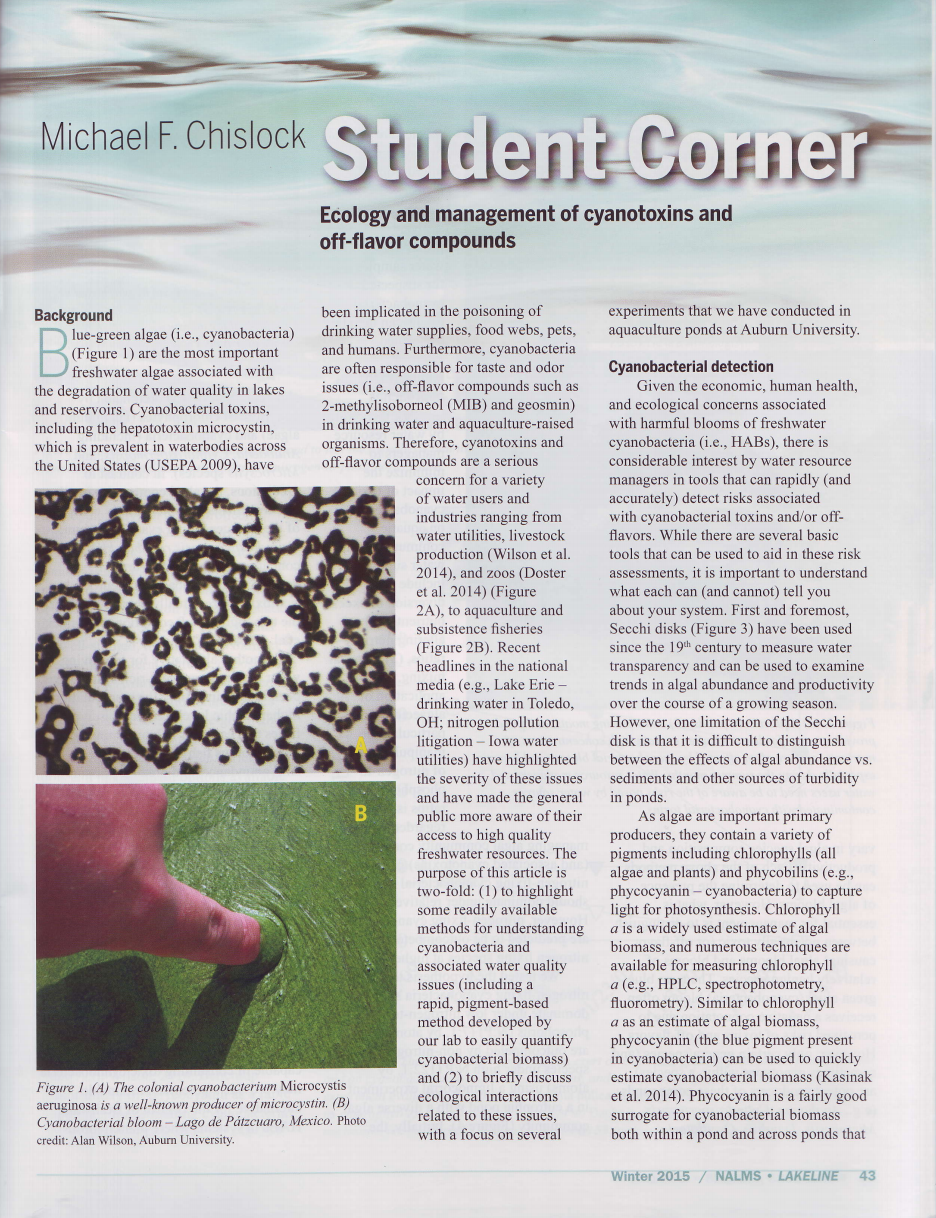
Chislock, M. F. 2015. Ecology and management of off-flavors and cyanotoxins. LakeLine. Winter 2015:43-46
Chislock, M. F. 2015. Ecology and management of off-flavors and cyanotoxins. LakeLine. Winter 2015:43-46
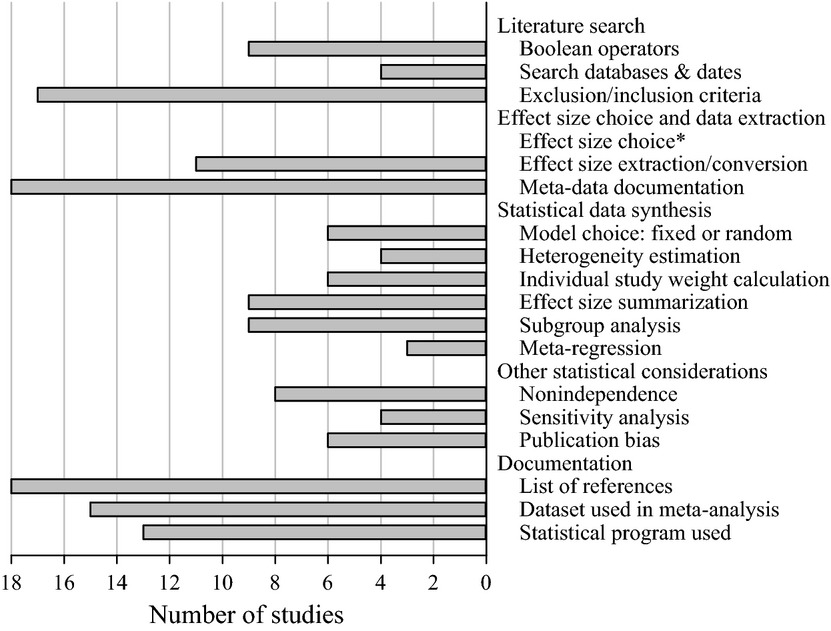
ArchMiller, A. A., E. F. Bauer, R. E. Koch, B. K. Wijayawardena, A. Anil, J. J. Kottwitz, A. S. Munsterman, and A. E. Wilson. 2015. Formalizing the definition of meta-analysis in Molecular Ecology. Molecular Ecology 24:4042-4051.
Meta-analysis, the statistical synthesis of pertinent literature to develop evidence-based conclusions, is relatively new to the field of molecular ecology, with the first meta-analysis published in the journal Molecular Ecology in 2003 (Slate & Phua 2003). The goal of this article is to formalize the definition of meta-analysis for the authors, editors, reviewers and readers of Molecular Ecology by completing a review of the meta-analyses previously published in this journal. We also provide a brief overview of the many components required for meta-analysis with a more specific discussion of the issues related to the field of molecular ecology, including the use and statistical considerations of Wright’s FST and its related analogues as effect sizes in meta-analysis. We performed a literature review to identify articles published as ‘meta-analyses’ in Molecular Ecology, which were then evaluated by at least two reviewers. We specifically targeted Molecular Ecology publications because as a flagship journal in this field, meta-analyses published in Molecular Ecology have the potential to set the standard for meta-analyses in other journals. We found that while many of these reviewed articles were strong meta-analyses, others failed to follow standard meta-analytical techniques. One of these unsatisfactory meta-analyses was in fact a secondary analysis. Other studies attempted meta-analyses but lacked the fundamental statistics that are considered necessary for an effective and powerful meta-analysis. By drawing attention to the inconsistency of studies labelled as meta-analyses, we emphasize the importance of understanding the components of traditional meta-analyses to fully embrace the strengths of quantitative data synthesis in the field of molecular ecology.
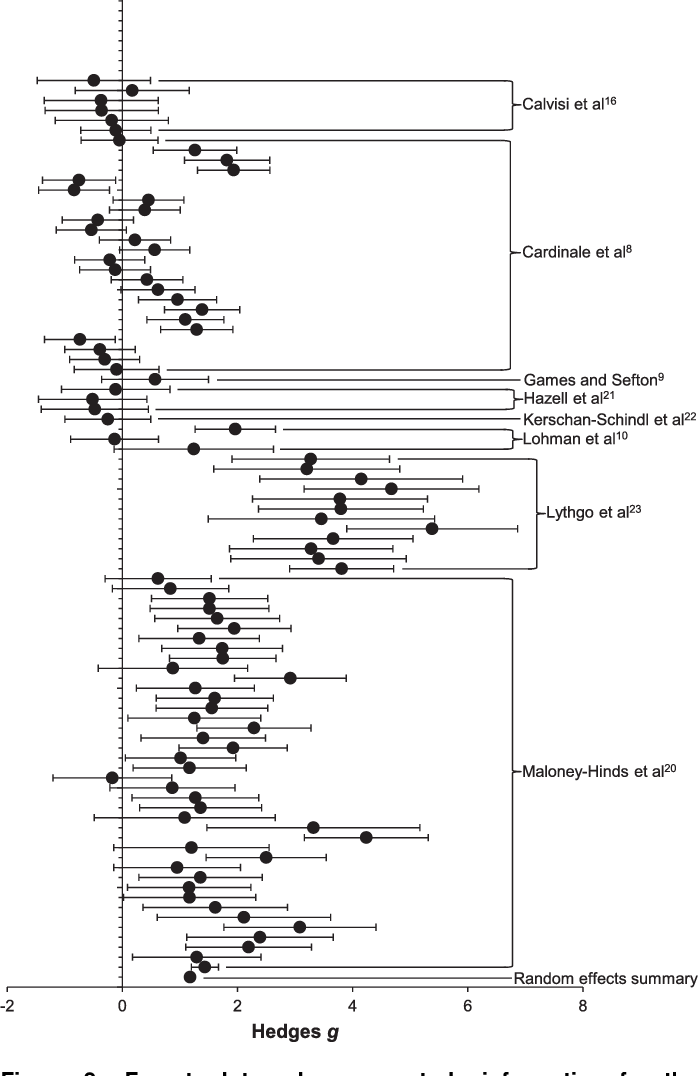
Games, K., J. Sefton, and A. E. Wilson. 2015. Effect of whole-body vibration on blood flow and muscle oxygenation: a meta-analysis. Journal of Athletic Training 50(5):542-549.
CONTEXT The use and popularity of whole-body vibration (WBV) has increased in recent years, but there is a lack of consensus in the literature about the effectiveness of the treatment.
OBJECTIVE To quantitatively examine the effects of WBV on muscle oxygenation and peripheral blood flow in healthy adults.
DATA SOURCES We searched Web of Science and PubMed databases and reference lists from relevant articles using the key terms whole body vibration, whole-body vibration, WBV, blood flow, peripheral blood flow, oxygenation, muscle oxygenation, circulation, circulatory, near infrared spectroscopy, NIRS, and power Doppler. Key terms were searched using single word and combination searches. No date range was specified.
STUDY SELECTION Criteria for inclusion were (1) use of a commercially available WBV device, (2) a human research model, (3) a pre-WBV condition and at least 1 WBV experimental condition, and (4) reporting of unstandardized means and standard deviations of muscle oxygenation or peripheral blood flow.
DATA EXTRACTION Means, standard deviations, and sample sizes were extracted from the text, tables, and figures of included studies. A total of 35 and 90 data points were extracted for the muscle-oxygenation and blood-flow meta-analyses, respectively. Data for each meta-analysis were combined and analyzed using meta-analysis software. Weighted, random-effects meta-analyses using the Hedges g metric were completed for muscle oxygenation and blood flow. We then conducted follow-up analyses using the moderator variables of vibration type, vibration time, vibration frequency, measurement location, and sample type.
DATA SYNTHESIS We found 18 potential articles. Further examination yielded 10 studies meeting the inclusion criteria. Whole-body vibration was shown to positively influence peripheral blood flow. Additionally, the moderators of vibration type and frequency altered the influence of WBV on blood flow. Overall, WBV did not alter muscle oxygenation; however, when the measurement site was considered, muscle oxygenation increased or decreased depending on the location. CONCLUSIONS Acute bouts of WBV increase peripheral blood flow but do not alter skeletal muscle oxygenation. Vibration type appears to be the most important factor influencing both muscle oxygenation and peripheral blood flow
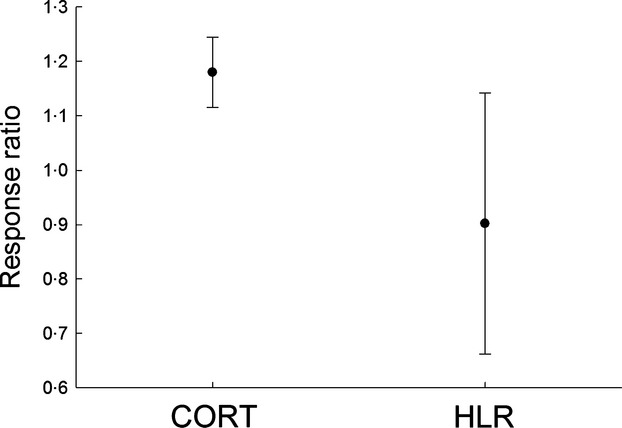
Goessling, J. M., H. Kennedy, M. T. Mendonça, and A. E. Wilson. 2015. A meta-analysis of plasma corticosterone and heterophil:lymphocyte ratios – Is there conservation of physiological stress responses over time? Functional Ecology 29:1189-1196.
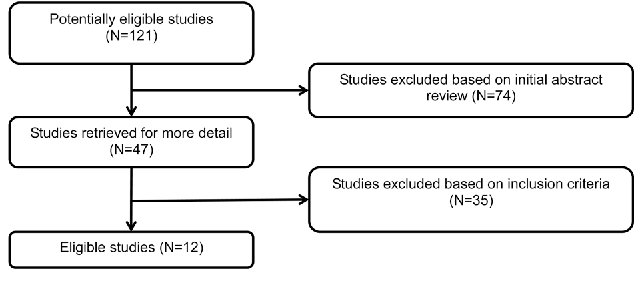
Kollock, R., K. Games, A. E. Wilson, and J. Sefton. 2015. Effect of vehicle-ride exposure on cervical pathology – a meta-analysis. Industrial Health 53:197-205.
Research to date on the effect vehicle-ride exposure has on the development of cervical pathologies in mounted Warfighters is conflicting. The purpose of this study was to determine if the literature suggests a definite effect of vehicle-ride exposure on cervical pathology. Databases were searched using multiple combinations of select terms. Twelve studies meeting the inclusion criteria were included in the meta-analysis. The results of the meta-analysis revealed that overall vehicle-ride exposure was likely to increase cervical pathology (p=0.01, odds ratio=1.59, 95% CI=1.16−2.17). Using vehicle type as a moderator it was found that vehicle-ride exposure in ground-based vehicles (p=0.01, odds ratio=2.33, 95% CI=1.41−3.85) and fixed-wing aircraft (p=0.01, odds ratio =1.59, 95% CI=1.13−2.23) were likely to increase cervical pathology. Using operator/other personnel moderator it was found that in the populations tested, fighter pilots or fighter jet weapons systems operators were more likely to develop a cervical pathology (p<0.001, odds ratio=1.78, 95% CI=1.26−2.50). The available studies indicate an increase in cervical pathology for personnel exposed to ground-based vehicles and fixed-wing aircraft.
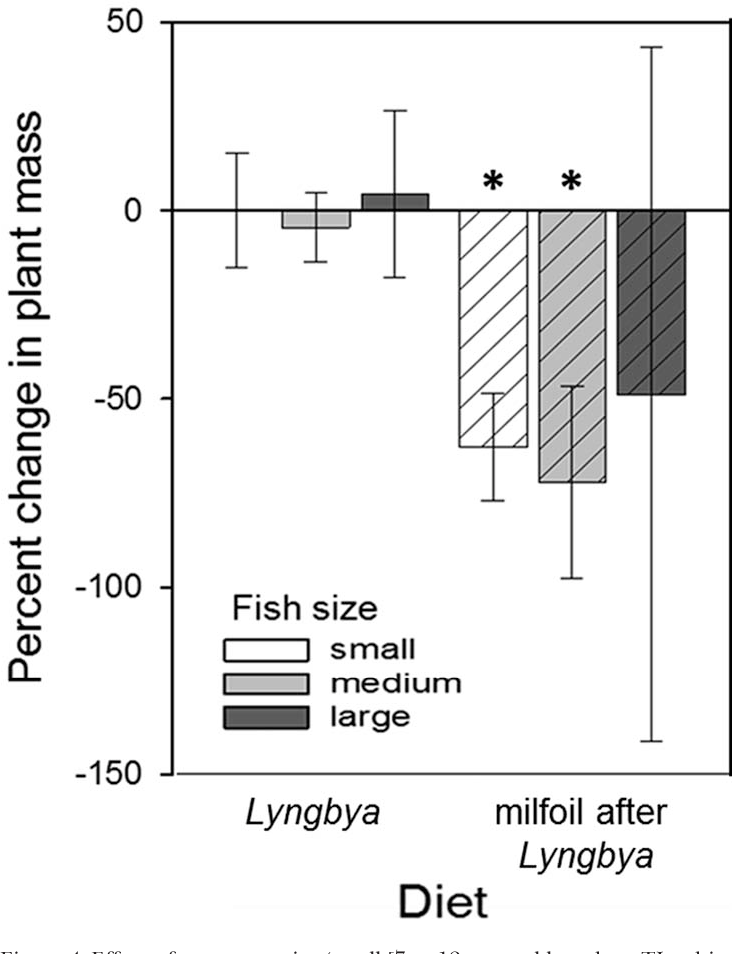
Kasinak, J.-M. E., C. J. Bishop, R. A. Wright, and A. E. Wilson. 2015. Grass carp do not consume the nuisance benthic cyanobacterium, Lyngbya wollei. Journal of Aquatic Plant Management 53:74-80.
Grass carp, Ctenopharyngodon idella, (Cuvier and Valenciennes, 1844) are an effective biological control for many aquatic plants, especially submersed macrophytes and macrophytic algae. Despite limited data, grass carp are sometimes promoted as a tool for controlling filamentous algae, including some cyanobacteria, in small impoundments. One important cyanobacterium, Lyngbya wollei (Farlow ex Gomont) comb, nov., is a nuisance species in North America that forms benthic mats and surface scums and can produce multiple intracellular toxins and off-flavor compounds. Current management of Lyngbya calls for approaches similar to those for other nuisance algae, including chemical control using herbicides and biological control using grass carp when herbicides are not practical. Although agency biologists and private consultants recommend stocking grass carp to control filamentous algae, no conclusive empirical data show that grass carp consume Lyngbya. We conducted mesocosm experiments where different densities of grass carp of varying sizes were fed diets either containing a macrophyte, variable watermilfoil (Myriophyllum heterophyllum Michx.) and/or Lyngbya. In general, grass carp did not consume Lyngbya when offered by itself pr with milfoil, regardless of carp density or size. To test one mechanism mediating the lack of Lyngbya consumption by grass carp (i.e., chemical ecology), a feeding experiment where ground Lyngbya was fed to grass carp in agar pellets suggests that the secondary chemistry of Lyngbya prevents grass carp consumption. Although anecdotal observation suggests that high rates of grass carp stocking appear to Control Lyngbya, the results of this study suggest that the mechanism of control is not direct consumption (e.g., physical disruption of the benthic mats).

Bullard, A., D. DeVries, A. Wilson, H. Kinnucan, P. Clement, G. Lockaby, and C. Newland. 2015. Science or snake oil: Scholarship and peer review in the digital age. Book chapter in Auburn Speaks: On Cyber and the Digital Domain. Published by Auburn University. pp. 201-211.
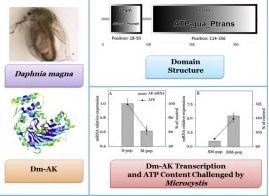
Lyu, K., L. Zhang, X. Zhu, G. Cui, A. E. Wilson, and Z. Yang. 2015. Arginine kinase in the cladoceran Daphnia magna: cDNA sequencing and expression is associated with resistance to toxic Microcystis. Aquatic Toxicology 160:13-21.
Nutrient loading derived from anthropogenic activities into lakes have increased the frequency, severity and duration of toxic cyanobacterial blooms around the world. Although herbivorous zooplankton are generally considered to be unable to control toxic cyanobacteria, populations of some zooplankton, including Daphnia, have been shown to locally adapt to toxic cyanobacteria and suppress cyanobacterial bloom formation. However, little is known about the physiology of zooplankton behind this phenomenon. One possible explanation is that some zooplankton may induce more tolerance by elevating energy production, thereby adding more energy allocation to detoxification expenditure. It is assumed that arginine kinase (AK) serves as a core in temporal and spatial adenosine triphosphate (ATP) buffering in cells with high fluctuating energy requirements. To test this hypothesis, we studied the energetic response of a single Daphnia magna clone exposed to a toxic strain of Microcystis aeruginosa, PCC7806. Arginine kinase of D. magna (Dm-AK) was successfully cloned. An ATP-gua PtransN domain which was described as a guanidine substrate specificity domain and an ATP-gua Ptrans domain which was responsible for binding ATP were both identified in the Dm-AK. Phylogenetic analysis of AKs in a range of arthropod taxa suggested that Dm-AK was as dissimilar to other crustaceans as it was to insects. Dm-AK transcript level and ATP content in the presence of M. aeruginosa were significantly lower than those in the control diet containing only the nutritious chlorophyte, Scenedesmus obliquus, whereas the two parameters in the neonates whose mothers had been previously exposed to M. aeruginosa were significantly higher than those of mothers fed with pure S. obliquus. These findings suggest that Dm-AK might play an essential role in the coupling of energy production and utilization and the tolerance of D. magna to toxic cyanobacteria.
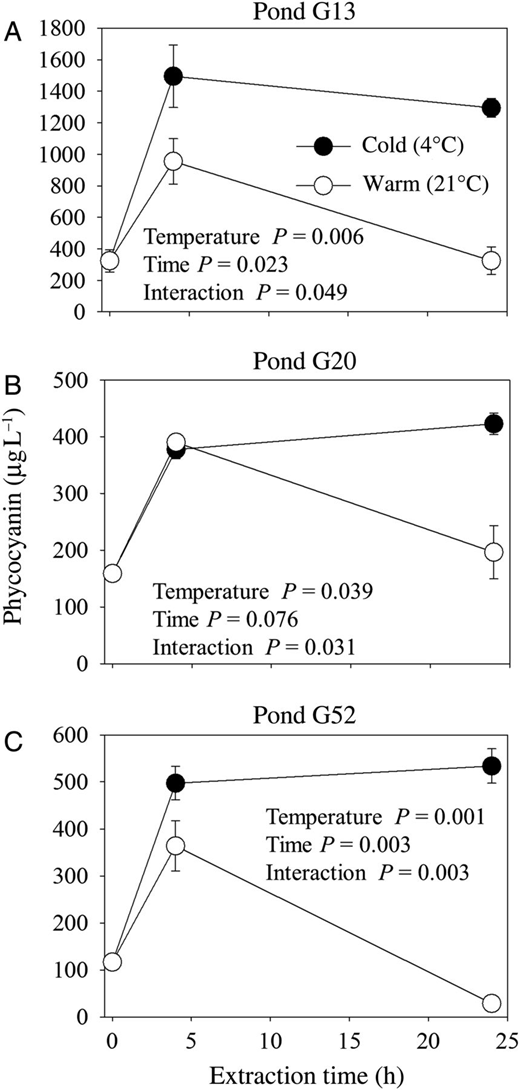
Kasinak, J.-M. E., B. M. Holt, M. F. Chislock, and A. E. Wilson. 2015. Benchtop fluorometry of phycocyanin as a rapid approach for estimating cyanobacterial biovolume. Journal of Plankton Research 37(1):248-257.
Cyanobacteria are the primary taxa responsible for freshwater harmful algal blooms (HABs), with several genera capable of producing potent intracellular toxins and off-flavor compounds. There is considerable growing interest in methods to rapidly quantify cyanobacteria in water samples. Past studies have demonstrated poor correlations between phycocyanin in vivo fluorescence and cyanobacterial cell densities. We conducted a series of laboratory experiments aimed at refining a protocol that uses benchtop fluorometry to measure the cyanobacterial pigment, phycocyanin, to accurately estimate cyanobacterial biovolume. In our study, we found strong correlations between phycocyanin concentration and cyanobacterial biovolume (but not for cell densities) both within and across ponds, which varied widely in productivity and algal diversity. Thus, benchtop fluorometry of phycocyanin is a viable method for water resource managers to quickly estimate cyanobacterial biovolume.
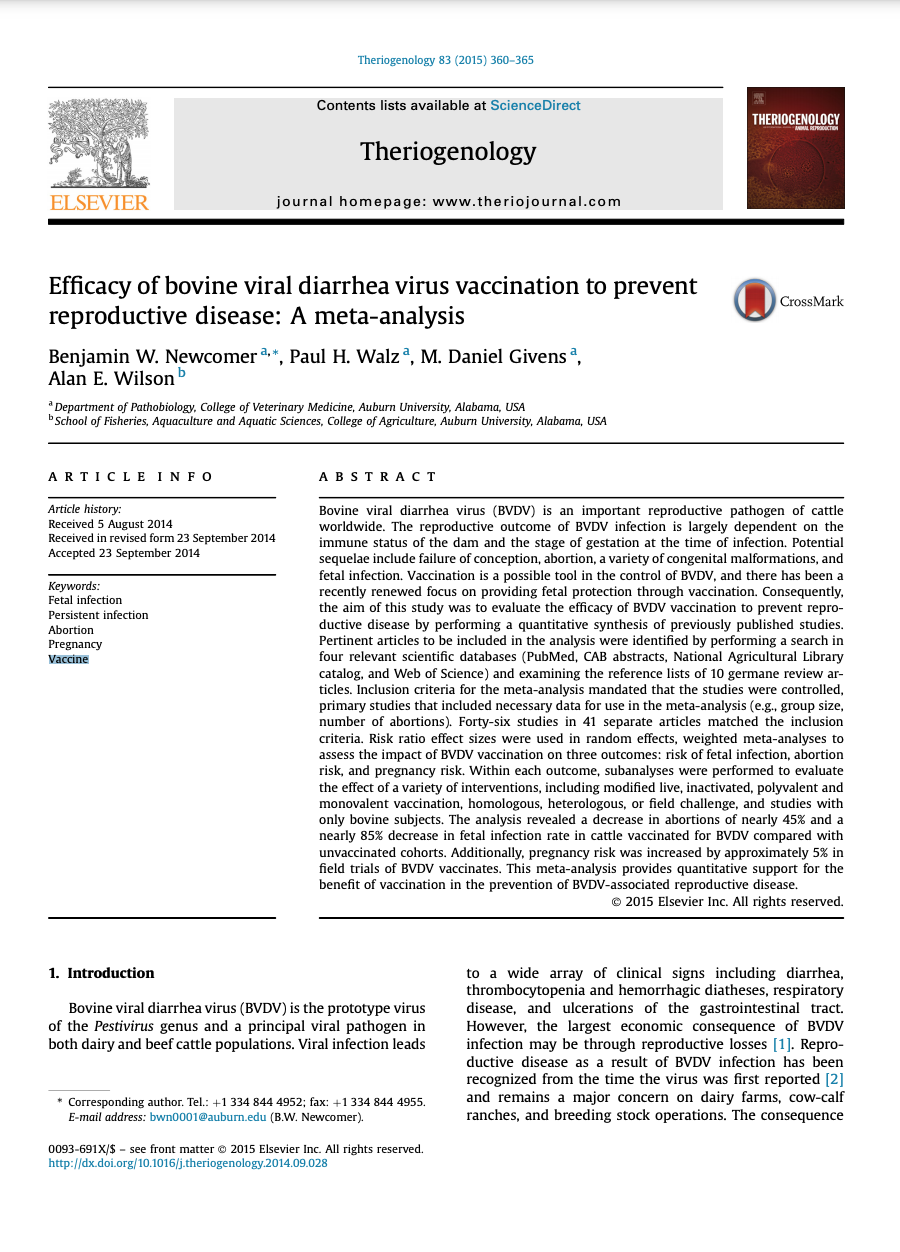
Newcomer, B. J., P. H. Walz, M. D. Givens, and A. E. Wilson. 2015. Efficacy of bovine viral diarrhea virus vaccination to prevent reproductive disease: a meta-analysis. Theriogenology 83:360-365.
Bovine viral diarrhea virus (BVDV) is an important reproductive pathogen of cattle worldwide. The reproductive outcome of BVDV infection is largely dependent on the immune status of the dam and the stage of gestation at the time of infection. Potential sequelae include failure of conception, abortion, a variety of congenital malformations, and fetal infection. Vaccination is a possible tool in the control of BVDV, and there has been a recently renewed focus on providing fetal protection through vaccination. Consequently, the aim of this study was to evaluate the efficacy of BVDV vaccination to prevent reproductive disease by performing a quantitative synthesis of previously published studies. Pertinent articles to be included in the analysis were identified by performing a search in four relevant scientific databases (PubMed, CAB abstracts, National Agricultural Library catalog, and Web of Science) and examining the reference lists of 10 germane review articles. Inclusion criteria for the meta-analysis mandated that the studies were controlled, primary studies that included necessary data for use in the meta-analysis (e.g., group size, number of abortions). Forty-six studies in 41 separate articles matched the inclusion criteria. Risk ratio effect sizes were used in random effects, weighted meta-analyses to assess the impact of BVDV vaccination on three outcomes: risk of fetal infection, abortion risk, and pregnancy risk. Within each outcome, subanalyses were performed to evaluate the effect of a variety of interventions, including modified live, inactivated, polyvalent and monovalent vaccination, homologous, heterologous, or field challenge, and studies with only bovine subjects. The analysis revealed a decrease in abortions of nearly 45% and a nearly 85% decrease in fetal infection rate in cattle vaccinated for BVDV compared with unvaccinated cohorts. Additionally, pregnancy risk was increased by approximately 5% in field trials of BVDV vaccinates. This meta-analysis provides quantitative support for the benefit of vaccination in the prevention of BVDV-associated reproductive disease.