Citation

Doster, E., M. F. Chislock, J. F. Roberts, J. J. Kottwitz, and A. E. Wilson. 2014. Recognition of an important water quality issue at zoos: prevalence and potential threat of toxic cyanobacteria. Journal of Zoo and Wildlife Medicine 45(1):165-168.

Abstract

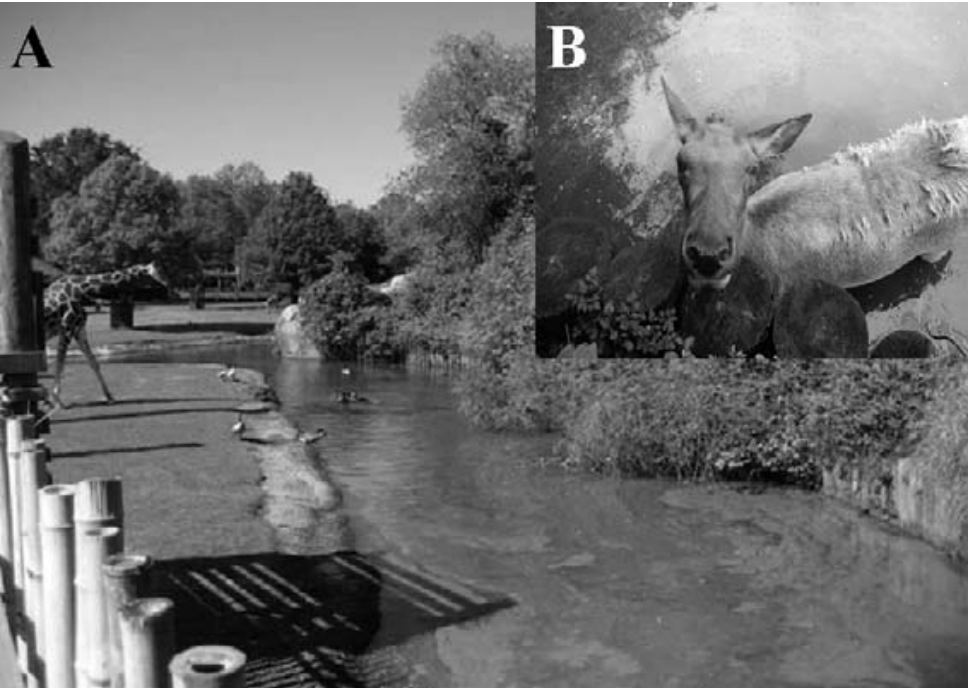
Zoo animals may be particularly vulnerable to water sources contaminated with cyanobacterial toxins given their nonvoluntary close association with this resource. However, the prevalence and potential threat of toxic cyanobacteria in this setting are unknown. Several otherwise unexplained yellow-bellied slider (Trachemys scripta scripta) deaths were documented in a zoo moat with recurring blooms of toxic Microcystis aeruginosa. Furthermore, an extremely high and potentially lethal concentration of the hepatotoxin microcystin (166 ng/g) was found in the liver of a necropsied turtle that died in this moat. A subsequent monthly survey of water quality revealed detectable concentrations of microcystin in all moats (0.0001 to 7.5 μg/L), with moats higher than 1 μg/L being significantly higher than the threshold for safe drinking water recommended by the World Health Organization. These results demonstrate that cyanobacterial blooms are an important water quality issue in zoos, and future research is necessary to identify potential associations among water quality, zoo animal health, and moat management strategies.
Keywords

Link to Publication

Citation

Chislock, M. F., K. L. Sharp, and A. E. Wilson. 2014. Cylindrospermopsis raciborskii dominates under very low and high nitrogen-to-phosphorus ratios. Water Research 49:207-214.

Abstract

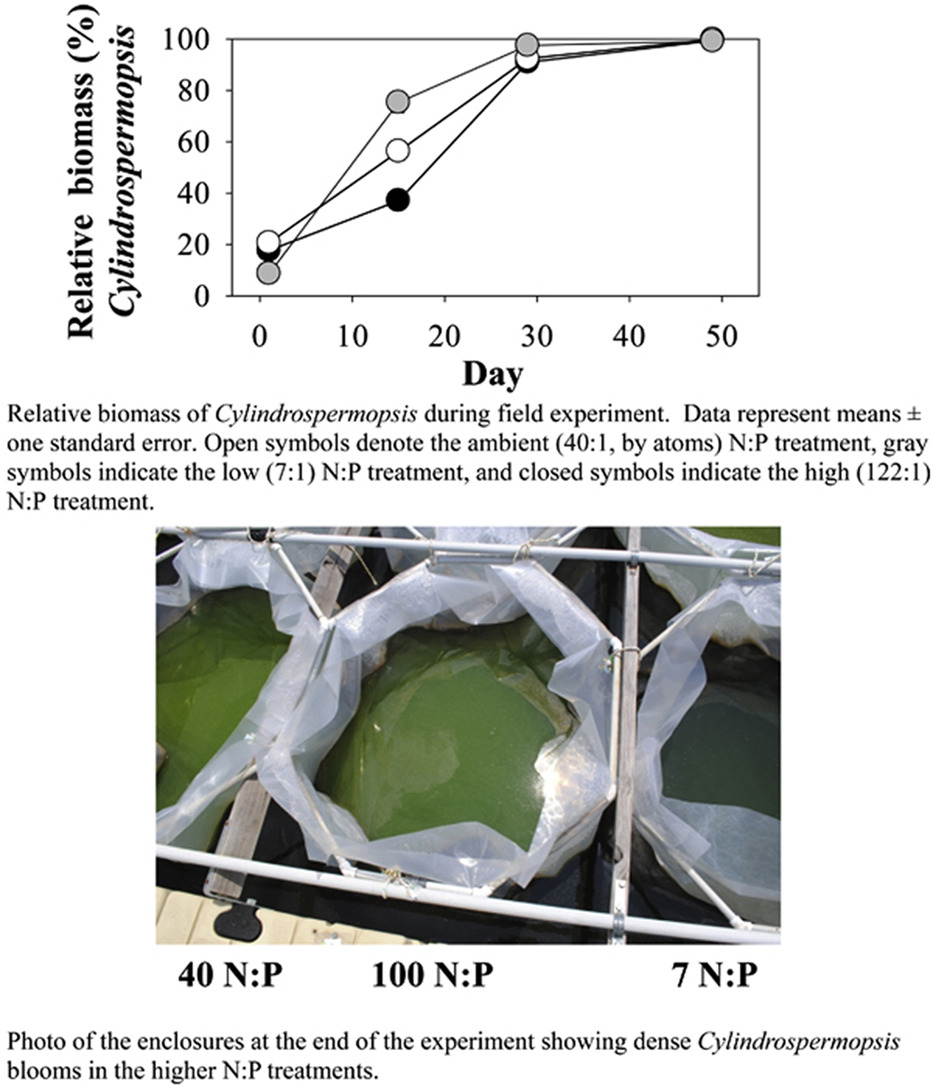
In freshwater ecosystems, a variety of factors mediate phytoplankton community structure, including herbivore community structure, light availability, temperature, mixing, and absolute and relative nutrient concentrations (total nitrogen (TN), total phosphorus (TP)). Ecological stoichiometry examines how the nutrient content of organisms and their environment may mediate population-, community-, and ecosystem-level processes. The manipulation of N:P ratios is a widely regarded tool for managing phytoplankton species composition given that nitrogen-fixing cyanobacteria should dominate algal communities under relatively low N:P (<64:1, by atoms) given their ability to convert dissolved dinitrogen gas into organic nitrogen. However, due to the physiological expense of nitrogen fixation, diazotrophs should be outcompeted by non-nitrogen fixing phytoplankton under higher N:P when other environmental factors are similar. We tested this hypothesis in a field experiment using 2500-L limnocorrals installed in a eutrophic lake (ambient N:P ∼40:1 (by atoms); TN ∼1360 μg L−1; TP ∼75 μg L−1). At the start of the experiment, we randomly assigned limnocorrals among the ambient (40:1) and low (7:1) or high (122:1) N:P treatments (n = 4 replicates/treatment), which were established by adding P or N at the start of the experiment, respectively. The phytoplankton community in the enclosures at the start of the experiment was diverse (i.e., 18 phytoplankton genera) and dominated by chlorophytes (including Coelastrum and Scenedesmus (30% and 13% of total biomass, respectively)) and cyanobacteria (including Anabaena and Cylindrospermopsis (23% and 17% of total biomass, respectively)). In contrast to predictions based on ecological stoichiometry, the phytoplankton community in all N:P treatments increased in abundance and was almost entirely composed of the nitrogen-fixing cyanobacterium, Cylindrospermopsis raciborskii, by the conclusion of the study. Moreover, concentrations of the cyanobacterial neurotoxin, saxitoxin, were enhanced under the two highest N:P conditions. The ability of C. raciborskii to dominate phytoplankton communities under such extreme N:P shows that short-term management of nutrient stoichiometry through fertilization is not likely to be effective for controlling blooms of this noxious cyanobacterium and may help to explain the rapid expansion of this invasive species to temperate latitudes.

Keywords

Link to Publication

Citation

Chislock, M. F., O. Sarnelle, B. K. Olsen, E. Doster, and A. E. Wilson. 2013. Large effects of consumer offense on ecosystem structure and function. Ecology 94(11):2375-2380. 

Abstract

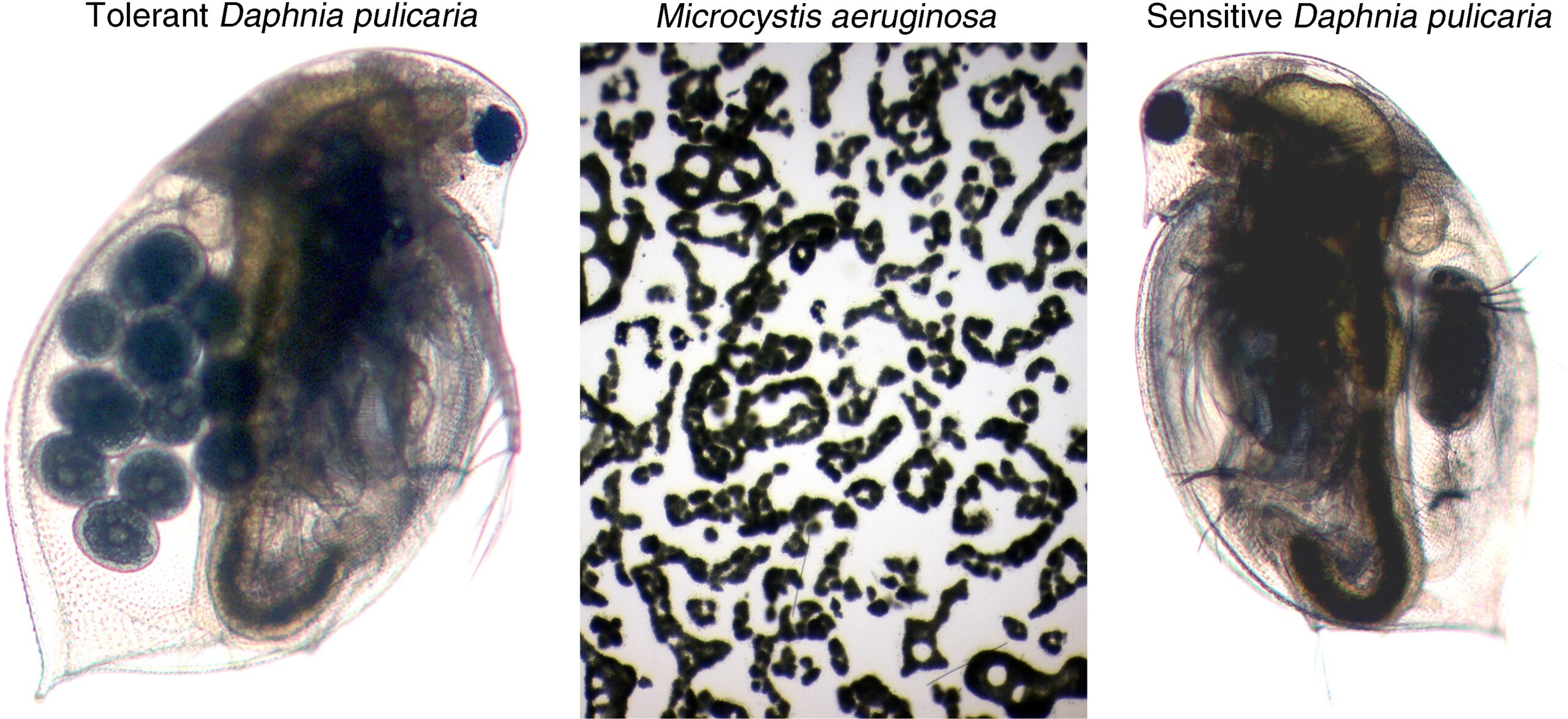
Study of the role of within-species adaptation in ecological dynamics has focused largely on prey adaptations that reduce consumption risk (prey defense). Few, if any, studies have examined how consumer adaptations to overcome prey defenses (consumer offense) affect ecosystem structure and function. We manipulated two sets of genotypes of a planktonic herbivore (Daphnia pulicaria) in a highly productive ecosystem with abundant toxic prey (cyanobacteria). The two sets of consumer genotypes varied widely in their tolerance of toxic cyanobacteria in the diet (i.e., sensitive vs. tolerant). We found a large effect of tolerant D. pulicaria on phytoplankton biomass and gross primary productivity but no effect of sensitive genotypes, this result stemming from genotype-specific differences in population growth in the presence of toxic prey. The former effect was as large as effects seen in previous Daphnia manipulations at similar productivity levels. Thus, we demonstrated that the effect of consumer genotypes with contrasting offensive adaptations was as large as the effect of consumer presence/absence.

Keywords

Dowload Publication (PDF)

Link to Publication

Citation

Vanderploeg, H. A., A. E. Wilson, T. H. Johengen, J. Dyble, O. Sarnelle, J. R. Leibig, S. D. Robinson, and G. P. Horst. 2013. The role of selective grazing by dreissenid mussels in promoting toxic Microcystis blooms and other changes in phytoplankton composition in the Great Lakes.  Invited book chapter in Quagga and Zebra Mussels: Biology, Impacts, and Control, Second Edition.  Editors: T. Nalepa and D. Schloesser.  CRC Press, Boca Raton, Florida. pp. 509-524.

Abstract

We investigated the feeding response of zebra and quagga mussels to Microcystis aeruginosa strains from culture collection and from natural seston from Saginaw Bay (Lake Huron), western Lake Erie, and enclosures from Gull Lake, an inland lake in Michigan. These experiments were done to evaluate the roles of strain identity, toxin concentration (microcystin), colony size, and environmental phosphorus concentrations as they affect ingestion or selective rejection of Microcystis in pseudofeces and potential Microcystis bloom promotion through the selective-rejection process. A combination of traditional feeding experiments with mussels confined in beakers and videotaping of mussel behavior was used. We measured changes in Microcystis concentration in the feeding experiments using changes in chlorophyll and the toxin associated with Microcystis (microcystin) in small (<53 μm) and large (>53 μm) size fractions. In natural seston, most colonies fell within the large size fraction. Overall, there were complex interactions that could not be simply explained by microcystin concentration, colony size, or environmental P concentration. Experiments with toxic and nontoxic strains from culture collection indicated different reasons for rejection. In one nontoxic strain having colonies in both the small and large fractions, small colonies were ingested, while large colonies were not. In another nontoxic strain, consisting only of large colonies, no colonies were ingested; however, when the colonies were broken apart by sonication, no small colonies or even single cells were ingested. Video observations showed that both of these strains were readily captured and rejected in pseudofeces after a large number were collected. Mussels fed upon the small colonies of a moderately toxic strain, whereas for another less toxic strain, no feeding occurred. When mussels were induced to feed on this latter strain by adding Cryptomonas—a favorite food of mussels— to the suspension, one of the mussels showed extreme sensitivity to Microcystis by rejecting each colony as they entered the incurrent siphon. Experiments with Microcystis having moderate microcystin concentration from both the low P (Saginaw Bay) and high P (Maumee Bay) sites in the Great Lakes were rejected. Microcystis from enclosures in Gull Lake was ingested despite having very high microcystin concentrations. Whether the selective-rejection process results in a Microcystis bloom depends on both mussel abundance and environmental P concentration as they affect mortality and growth rate of algae competing with Microcystis, as well as the composition of different Microcystis strains (genetic identities) that can coexist at the same time in the same water body. Questions for future research and research approaches to understand these complex interactions are outlined. 

Keywords

Dowload Publication (PDF)

Citation

Olsen, B. K., C. Smith, M. Chislock, J. Kasinak, and E. Doster. 2013. Letter to the Editor: Association for the Sciences of Limnology and Oceanography (ASLO) 2013 Annual Meeting: Students’ perspectives. ASLO Bulletin 22(3):83-84. 

Abstract

One of ASLO’s guiding principles is to recruit and support undergraduate, graduate, and early career individuals to the aquatic sciences. Upon hearing that the Limnology class at Auburn University (Alabama) was interested in attending the 2013 meeting in New Orleans, ASLO put their principles to practice and invited the students, free of charge, to attend the meeting for one day. Five Auburn University undergraduate and graduate students, with diverse research interests including aquaculture, veterinary sciences, conservation ecology, and limnology, had the privilege to attend ASLO 2013. The five of us attended the ASLO meeting with the intent to learn about various research areas related to limnology and oceanography, to confirm our study interests, and to find our research niche. Despite our diverse interests, we all left the meeting feeling we had benefited intellectually from attending. There are some things that cannot be achieved by taking classes or running experiments. It is essential for students in science to understand the direction their intended fields are heading and to identify others who are conducting relevant research to develop effective collaborations. Scientific meetings, such as ASLO, encourage information

Dowload Publication (PDF)

Citation

Wilson, A. E., M. F. Chislock, E. Doster, R. A. Wright, J. J. Kottwitz, H. Walz, and H. Rose. 2013. Toxic algae threaten livestock health. The Alabama Cattleman June 2013:16-17.

Dowload Publication (PDF)

Citation

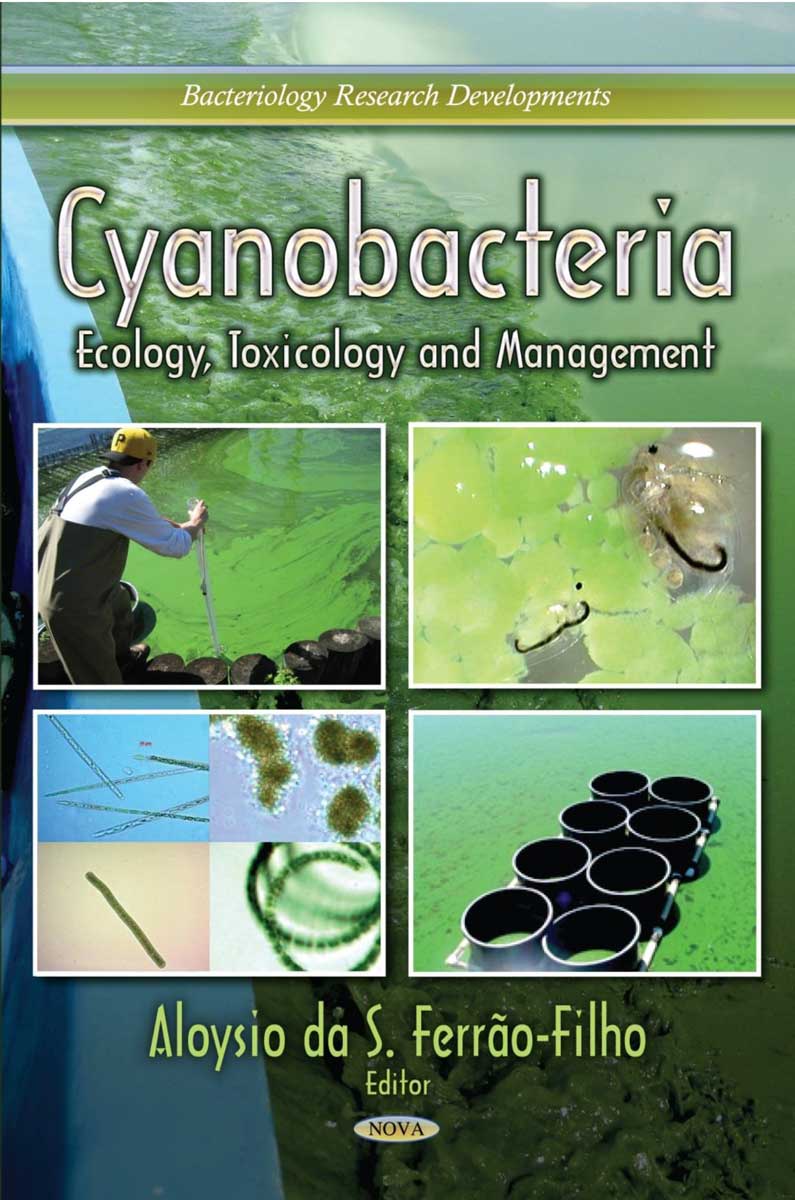
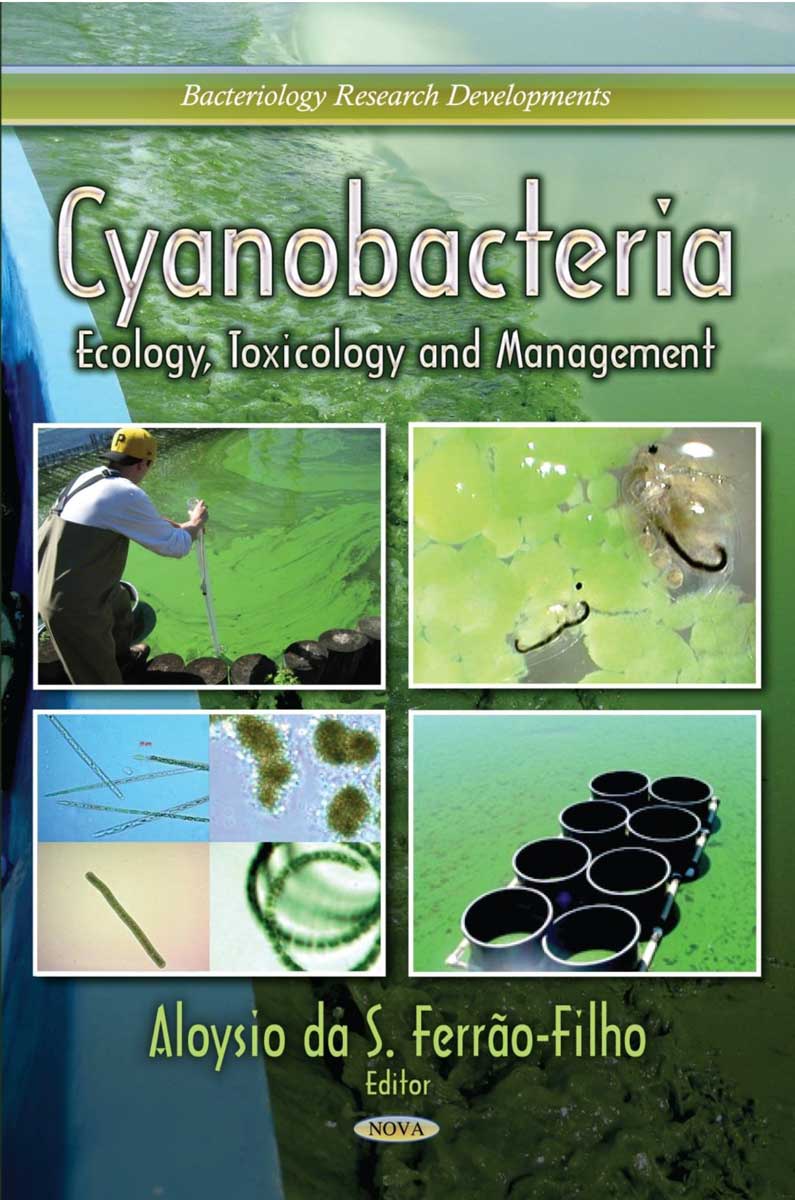
Wilson, A. E. and M. F. Chislock. 2013. Ecological control of cyanobacterial blooms in freshwater ecosystems.  Invited book chapter in Cyanobacteria: Toxicity, ecology, and management. Editor: A. Ferrão-Filho. Nova Science Publishers, Inc., New York. pp. 213-221. 

Abstract

Cyanobacterial blooms pose one of the most serious threats to freshwater ecosystems by producing toxic secondary metabolites that can poison aquatic foodwebs, pets, livestock, and humans. Consequently, water resource managers routinely employ a variety of strategies aimed at controlling blooms of cyanobacteria, including reducing nutrient inputs, using potent herbicides, disrupting stratification via mixing, and shading waterbodies with opaque liners or water-based stains. The role of ecology in cyanobacterial bloom management is poorly understood despite a decades-long history of studies using biomanipulation: the manipulation of higher trophic levels (adding piscivores or removing planktivores) to increase the size, abundance, and grazing pressure of herbivorous zooplankton to reduce algal abundance. Past biomanipulation efforts conducted primarily in temperate systems have provided equivocal results, and the presence of the generalist herbivore, Daphnia, seems to be critically important to the success of biomanipulation efforts. 

Keywords

Dowload Publication (PDF)

Citation

Chislock, M. F., E. Doster, R. A. Zitomer, and A. E. Wilson. 2013. Eutrophication: Causes, consequences, and controls in aquatic ecosystems. Nature Education Knowledge 4(4):10.

Abstract

Eutrophication is characterized by excessive plant and algal growth due to the increased availability of one or more limiting growth factors needed for photosynthesis (Schindler 2006), such as sunlight, carbon dioxide, and nutrient fertilizers. Eutrophication occurs naturally over centuries as lakes age and are filled in with sediments (Carpenter 1981). However, human activities have accelerated the rate and extent of eutrophication through both point-source discharges and non-point loadings of limiting nutrients, such as nitrogen and phosphorus, into aquatic ecosystems (i.e., cultural eutrophication), with dramatic consequences for drinking water sources, fisheries, and recreational water bodies (Carpenter et al. 1998). For example, aquaculture scientists and pond managers often intentionally eutrophy water bodies by adding fertilizers to enhance primary productivity and increase the density and biomass of recreationally and economically important fishes (Figure 1) via bottom-up effects on higher trophic levels (Boyd & Tucker 1998). However, during the 1960s and 1970s, scientists linked algal blooms to nutrient enrichment resulting from anthropogenic activities such as agriculture, industry, and sewage disposal (Schindler 1974). The known consequences of cultural eutrophication include blooms of blue-green algae (i.e., cyanobacteria, Figure 2), tainted drinking water supplies, degradation of recreational opportunities, and hypoxia. The estimated cost of damage mediated by eutrophication in the U.S. alone is approximately $2.2 billion annually (Dodds et al. 2009).

Link to Publication

Citation

Havird, J. C., R. P. Henry, and A. E. Wilson. 2013. Altered expression of Na+/K+-ATPase and other osmoregulatory genes in the gills of euryhaline animals in response to salinity transfer: a meta-analysis of 59 quantitative PCR studies over 10 years. Comparative Biochemistry and Physiology, Part D: 8(2):131-140.

Abstract

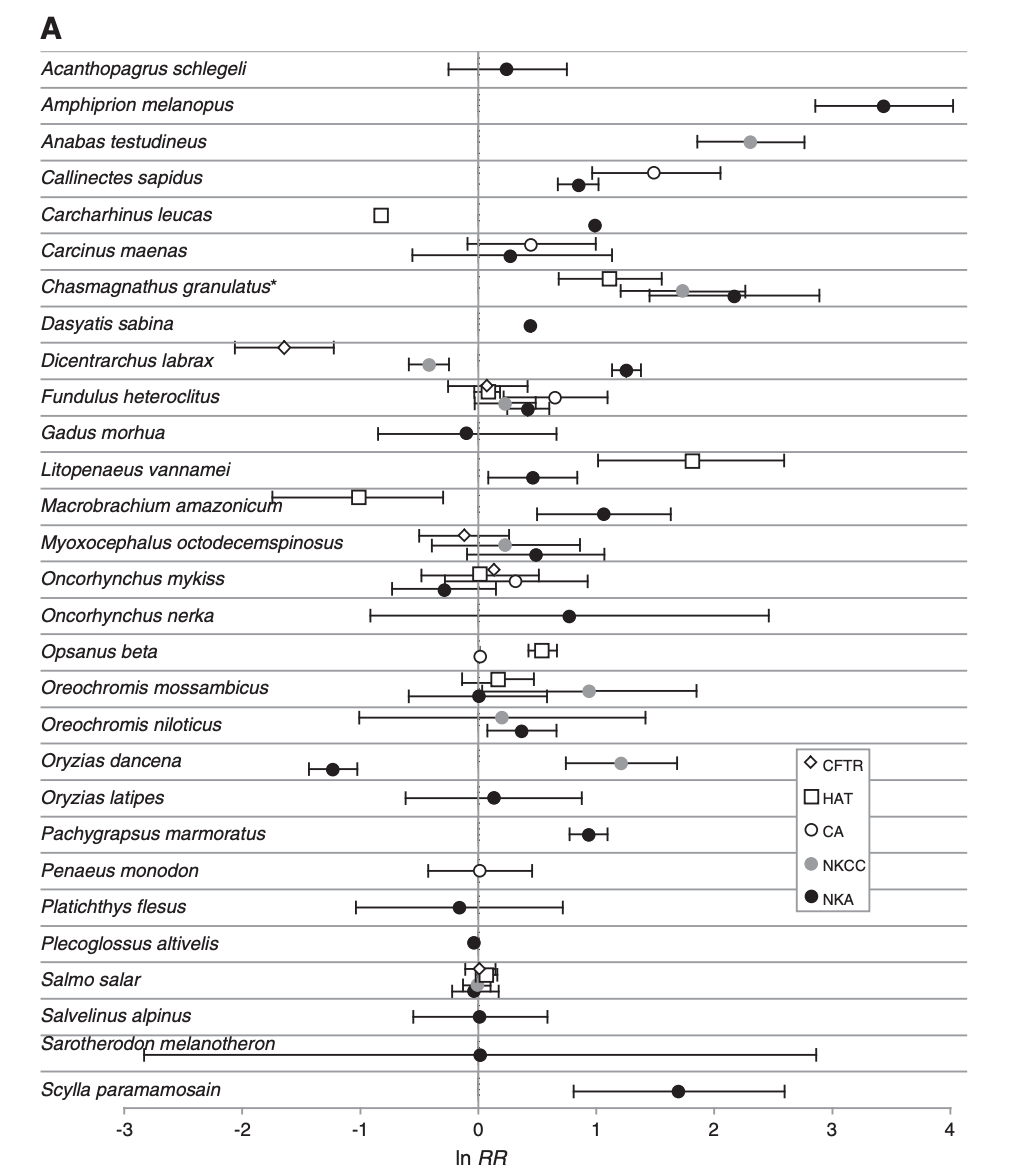
Recent advances in molecular techniques have allowed gene expression in euryhaline animals to be quantified during salinity transfers. As these investigations transition from studying single genes to utilizing genomics-based methodologies, it is an appropriate time to summarize single gene studies. Therefore, a meta-analysis was performed on 59 published studies that used quantitative polymerase chain reaction (qPCR) to examine expression of osmoregulatory genes (the Na+/K+–ATPase, NKA; the Na+/K+/2Cl− cotransporter, NKCC; carbonic anhydrase, CA; the cystic fibrosis transmembrane regulator, CFTR; and the H+–ATPase, HAT) in response to salinity transfer. Based on 887 calculated effect sizes, NKA, NKCC, CA, and HAT are up-regulated after salinity transfer, while surprisingly, CFTR is unchanged. Meta-analysis also identified influential factors contributing to these changes. For example, expression was highest: 1) during transfers from higher to lower salinities comprising a physiological transition from osmoconformity to osmoregulation, 2) 1–3 days following transfer, 3) during dissimilar transfers, and 4) in crustaceans rather than teleosts. Methodological characteristics (e.g., types of controls) were not important. Experiments lacking in the current literature were also identified. Meta-analyses are powerful tools for quantitatively synthesizing a large body of literature, and this report serves as a template for their application in other areas of comparative physiology

Keywords

Link to Publication

Citation

Chislock, M. F., O. Sarnelle, L. M. Jernigan, and A. E. Wilson. 2013. Do high concentrations of microcystin prevent Daphnia control of phytoplankton? Water Research 47(6):1961-1970.

Abstract

Toxin-producing cyanobacteria have frequently been hypothesized to limit the ability of herbivorous zooplankton (such as Daphnia) to control phytoplankton biomass by inhibiting feeding, and in extreme cases, causing zooplankton mortality. Using limnocorral experiments in hyper-eutrophic ponds located in Alabama and Michigan (U.S.A.), we tested the hypothesis that high levels of cyanobacteria and microcystin, a class of hepatotoxins produced by several cyanobacterial genera, prevent Daphnia from strongly reducing phytoplankton abundance. At the start of the first experiment (Michigan), phytoplankton communities were dominated by toxic Microcystis and Anabaena (~96% of total phytoplankton biomass), and concentrations of microcystin were ~3 µg L-1 . Two weeks after adding Daphnia pulicaria from a nearby eutrophic lake, microcystin levels increased to ~6.5 µg L-1 , yet Daphnia populations increased exponentially (r = 0.24 day-1 ). By the third week, Daphnia had suppressed phytoplankton biomass by ~74% relative to the no Daphnia controls and maintained reduced phytoplankton biomass until the conclusion of the five-week experiment. In the second experiment (Alabama), microcystin concentrations were greater than 100 µg L-1 , yet a mixture of three D. pulicaria clones from eutrophic lakes in southern MI increased and again reduced phytoplankton biomass, in this case by over 80%. The ability of Daphnia to increase in abundance and suppress phytoplankton biomass, despite high initial levels of cyanobacteria and microcystin, indicates that the latter does not prevent strong control of phytoplankton biomass by Daphnia genotypes that are adapted to environments with abundant cyanobacteria and associated cyanotoxins.

Link to Publication